Search
Showing 10 of 2262 results for read 2024 FRM Exam Part I - Quantitative Analysis online free
-
Internationalisation remains a key focus for Education New Zealand
Under the inaugural funding collaboration with FAPESP, ENZ has pledged NZ $105,000 to nine research projects. Each project is led in tandem with academics from New Zealand and Brazil.
And for the 15th year, ENZ has supported the joint work of New Zealand and Chinese researchers through the Tripartite Fund. This year’s funding round provided NZ $20,000 to five projects (rather than the traditional NZ $30,000 to three) due to the ongoing COVID-19 travel restrictions.
As the Government is currently advising New Zealanders not to travel internationally, this funding was pledged on the proviso that the researchers either work together online or delay any international travel to a later date.
Internationalisation is a crucial part of the New Zealand International Education Strategy (NZIES) under all three pillars.
“Supporting and investing in international academic mobility is one unique way ENZ can contribute to this goal. We see short-term benefits, like person-to-person links and the strengthening of diplomatic relationships, as well as long-term benefits like increased trade flow,” says ENZ’s Chief Executive Grant McPherson.
Building international links between institutions can also directly impact their rankings. Times Higher Education recently released their Latin America University Rankings 2020, which featured seven Brazilian universities in the top 10. The Times Higher Education’s methodology includes five factors – learning environment, research, citations, international outlooks and industry income – all of which can be positively impacted by initiatives like the NZ-FAPESP funding and Tripartite Fund.
“Internationalisation is all about building and maintaining relationships. I am very proud that ENZ has not only managed to sustain this crucial link with China, but built new connections with Brazil.”
Over the history of the Tripartite Fund, we’ve seen positive outcomes across a variety of research areas including environmental protection and climate change, health and medicine, animal science, educational development, media literacy, renewable energy and the conservation and heritage of national parks. The partnership with FAPESP also started with relevant areas for New Zealand, like education, engineering, biological sciences and health.
It’s a mark of the high-quality and reputation of New Zealand’s universities’ that they all are able to enter in the Tripartite Fund and arrangements like the one with FAPESP.
-
On the ‘road’ again
ENZ’s team in South Korea, in partnership with the Seoul Board of Education, held their first-ever online school roadshow this October. It aimed to give Korean students a better idea of New Zealand and inspire them to study here in the future.
Virtual webinars were delivered to over 500 students at 13 Korean high schools. Before each webinar, students were asked to send in their questions about New Zealand education, so their presentation could be tailored to reflect their interests.
New Zealand Ambassador to Korea, Philip Turner, supported the roadshow with a pre-recorded video.
“This strategic engagement with the Seoul Board of Education is an example of how we’re working with key in-market stakeholders to keep the dream of New Zealand education alive in the hearts and minds of our future international students,” ENZ Regional Manager – East Asia, Ben Burrowes says.
Maintaining the New Zealand brand in our offshore markets is a key part of the third workstream of the Recovery Plan for international education, ‘Transforming to a more sustainable future state’.
Elsewhere in Korea, ENZ working on connecting NZ schools with Korean schools for virtual language exchanges. In September, Team Korea launched a digital platform for a local Korean audience that shares positive stories about New Zealand’s COVID-19 response, institution updates, and inspiring stories of Korean international students.
“Before COVID, Korea was the fourth-largest student source country for New Zealand’s international education sector,” Ben says. “In 2018, nearly 2,500 Korean students studied at New Zealand schools, a five percent increase on 2017, and our market research indicates that the interest in a New Zealand education certainly still remains. It’s therefore vital that we maintain our brand presence and help to build a pipeline of Korean students for our institutions.”
-
From the CE: The outlook for the future
Many of you are wondering – and fielding a lot of questions – about the outlook for the future as COVID-19 continues to disrupt the world.
It’s very important to acknowledge that COVID-19 is an unprecedented event in our lifetime. While there have been crises, disasters, wars and terrorist attacks, none have had the scale, impact or complexity of this global pandemic. There is little certainty as the world navigates its way through this and looks to the development of effective vaccines to counter its impact.
As New Zealand’s Director-General of Health advises, COVID-19 is a very tricky virus and we have to be very vigilant. The Government is continuing to take a balanced approach to ensure the health, safety and wellbeing of everyone in New Zealand and to carefully manage demand on the country’s quarantine facilities. We aren’t out of the woods yet and can’t be complacent.
Like many other countries, New Zealand’s border restrictions remain in place. The Government is granting entry to small, targeted cohorts by exception only, and only these visas are being processed. Students are not able to apply for a student visa from outside New Zealand, unless a border exception applies. This decision will be reviewed in February 2021.
Last month we saw the Government recognise the vital role international education will play in the recovery and rebuild of New Zealand and the need to continue the fight against the pandemic. The Minister of Education announced that the Government would allow a small cohort of up to 250 postgraduate (mostly PhD) students into New Zealand. These are students whose study has been interrupted by COVID-19 and who have a practical research component to their study that requires them to be here. Providers are currently selecting these students and they are expected to enter New Zealand earlier next year.
We acknowledge that this exception applies to a fraction of the number of students we normally welcome to the country. Some students and providers may be disappointed not to have been a part of this first border exception group.
The Government says it will review further possible border exceptions to enable more cohorts to enter the country, as and when the time is right, and to then build up numbers when it’s safe for all to do so. But no further decisions around cohorts have been made at this stage.
So, given this information, we won’t see normal numbers of students entering the country in time for term one or semester one next year. I suggest that tertiary students consider starting or continuing their New Zealand study online, until there is more certainty on border exceptions. Students and their families are advised to keep in close contact with their agent or study provider.
But throughout this uncertainty, I can assure you that New Zealand highly values international students and looks forward to their return. Until then, the team at Education New Zealand will continue to tell you as much as we can about the situation here, as soon as we can.
Ehara taku toa I te toa takitahi, engari he toa takitini.
My strength is not that of a single warrior but that of many.
Ngā mihi,
Grant McPherson
-
Education New Zealand hosts first-ever NZ-China Education Week
Early Childhood Education Symposium
The inaugural New Zealand-China Early Childhood Education Symposium with China Centre for International People to People Exchange (CCIPPE), an agency under the Ministry of Education of China, was well-received by the audience of over 1,000 people.
ENZ General Manager – International, Lisa Futschek, provided opening remarks alongside distinguished officials from China who expressed support for the dialogue around ECE to continue between our two countries.
“It was very moving to hear Deputy Director General Xiaochun YANG speak te reo Māori in his closing remarks,” ENZ Director – Greater China, Miranda Herbert, said.
“The ECE Symposium highlights the special relationship between New Zealand and China and our long history of engaging in bilateral dialogue in a variety of education related fields to learn from each other.”
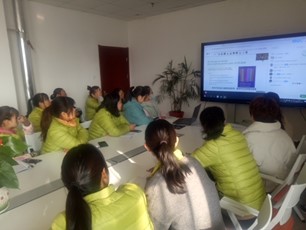
Educators tune into the ECE Symposium.
Part of the success of participation was due to CCIPE’s social media post which attracted over 8000 reads (pre-event). CCIPPE article with photos: 2020中国-新西兰学前教育研讨会在线成功举办 (qq.com)
The entire symposium was bilingual – no small feat in a virtual environment. ENZ used subtitles on pre-recorded presentations, interpretation for the live speakers and engaged a bilingual MC with experience in the ECE field.
University of Auckland Associate Dean International – Faculty of Education and Social Work, Marek Tesar, presented a session at the symposium titled “How ECE Teachers Shape Our Children: Fostering Quality ECE Teachers—Formal Education and Professional Development."
“A fantastic event, which brought together an interdisciplinary group of people to discuss the important topic of early childhood education. It has emphasised the many opportunities for ongoing collaboration between New Zealand and China and I hope that this is the first of many such symposia – hopefully in person next time!” he said.

Watch the recording
To view the recorded symposium, please log back into your ECE Symposium Attendee Login. Didn’t have a registration? Choose Attendee Registration and complete the registration on this website: https://event.dragontrail.com/NZedu/en
Once logged in, navigate to Floor Plan and click “Education Symposium 2020”
Then you will see this screen to click “Playback”
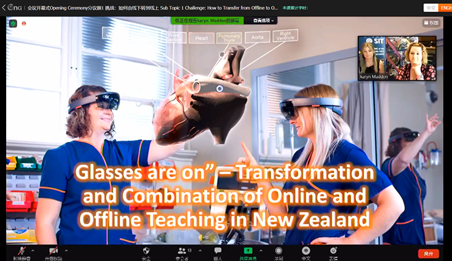
The Southern Institute of Technology (SIT) present at Sino-New Zealand Higher Vocational Education.
8th Sino-New Zealand Higher Vocational Education Conference
This year’s Sino-New Zealand Higher Vocational Education conference moved to a virtual platform this year which enabled continued dialogue between New Zealand and China.
Over three half-days, it focused on challenges and innovations in online learning and international collaboration for managers, teachers and researchers in vocational education and training.
Conference organisers, Wintec and co-organiser, Skills International worked closely with China partners Tianjin Light Industrial Vocational Technical College, Qingdao Vocational Technical College and Central Institute for Vocational Technical Education to deliver an engaging event for the live audience in Tianjin and the virtual attendees.
Agent Seminars
The Agent Seminars reached an audience of 500 attendees from across the Greater China region over two days.
Agents were welcomed by New Zealand’s Ambassador to China, H.E. Clare Fearnley, heard from Immigration New Zealand, Tourism New Zealand, and even learned how to order a green tea in te reo Māori.
With over 44 New Zealand institutions and regions exhibiting in the virtual exhibition hall, agents were able to connect through the virtual meeting rooms to have one-on-one conversations. ENZ trialled a virtual conferencing platform created for the China market that allowed our Chinese agents to join via WeChat and tailor their view to local language.
ENZ wants to thank all the exhibitors, presenters and attendees who participated in New Zealand Education Week to help make it a success and we appreciate your adaptability to a China-friendly virtual platform.
ENZ has received great feedback from both sides on the programme and future partnership opportunities – there is a strong desire to continue dialogue.
Watch the recording
Note, the Agent Seminars were over two days and the majority of presentations are in Chinese language.
To view the recorded seminars, please log back into your Agent Seminars Organization or Attendee Login.
Didn’t have a registration? Choose Attendee Registration and complete the registration on this website: https://event.dragontrail.com/NZedu/en
Once logged in, please navigate to Floor Plan and click “Agent Seminar Presentations”.
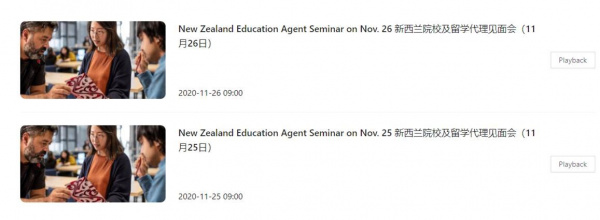
Then you will see this screen to click “Playback” for either 25 or 26 November.
-
NZ-China education relationship strengthened
Chief Executive Grant McPherson says the Joint Working Group is a valuable mechanism for maintaining the long-standing education relationship between the countries, which dates back nearly 20 years.
“Joint initiatives including the innovative Tripartite Partnership, bring together our governments, as well as our researchers, educators and students and leverages New Zealand’s research strengths.”
The Secretary for Education, Iona Holsted, co-chaired the Joint Working Group meeting and led the New Zealand Delegation, with ENZ Chief Executive Grant McPherson and NZQA Chief Executive Dr Grant Klinkum. The Chinese delegation was led by the Vice-Minister of Education, Tian Xuejun.
A key outcome of the meeting was the signing of a Strategic Cooperation Arrangement by the New Zealand Qualification Authority’s (NZQA) Chief Executive, Dr Grant Klinkum, and Director General of the Chinese Service Center for Scholarly Exchange (CSCSE), Mr Jiacai Cheng.
Dr Klinkum commented that: “This refreshed agreement reflects the value both organisations place on mutual cooperation regarding the exchange of information and qualification recognition arrangements.”
“As part of our future work together, the two agencies have agreed to establish a working group to better understand the opportunities and challenges related to recognising online qualifications.”Universities New Zealand representative Rebecca Needham said the Joint Working Group meeting was a timely reminder of the breadth of initiatives that continue to strengthen New Zealand's education links with China during a time of limited international mobility.
“The meeting was a valuable opportunity to undertake some deeper thinking about areas of longer-term cooperation, while continuing to celebrate the Chinese Scholarship Council students who are able to continue their study in New Zealand following the recent PhD border exceptions,” Needham said.
Chair of the International Working Group for Te Pūkenga, Tony Gray, said he was pleased to see the “genuine enthusiasm” at the Joint Working Group meeting to further develop tertiary education partnerships.
“There are many potential opportunities to collaborate with China as it implements its 2019 National Implementation Plan for Vocational Education Reform. There is real interest [from China] in understanding New Zealand's key vocational education and applied higher education practices and pedagogy,” Gray said.
“The Joint Working Group between China and New Zealand highlights the strength of our strategic education partnership and provides further impetus for key projects that are mutually beneficial,” ENZ Director – Greater China, Miranda Herbert, says. “It is pleasing to see that we’re both heading in the same direction with our internationalisation goals.”
-
Feedback from education agents opens up conversation on how ENZ can better support them
Over half (57 per cent) of those surveyed are members of the ENZ Recognised Agency (ENZRA) programme.
The survey, a cross-team ENZ initiative, was a useful opportunity to open up a conversation with agents and to continue to support them while borders remain closed.
Over 40 per cent of agents surveyed said that that 75 to 100 per cent of their business activities had changed or reduced due to the pandemic. Agents also reported experiencing a reduction of staff, closed branches and transitioning to fully remote operations.
ENZ-supported webinars, online and hybrid events were most valuable to agents, followed closely by digital collateral and marketing material, support for student-facing activities, B2B events with education providers and training.
On training needs, 60 per cent of agents surveyed said that they would like to receive training on student visa application processes, 50 per cent were keen on hearing about New Zealand education providers and their offering, while 40 per cent were keen for more professional development training.
Videos, templates (including banners and PowerPoint presentations), student testimonials and brochures were reported to be the marketing tools that agents find most useful.
ENZ’s Manager – Education Agents, Geneviève Rousseau Cung, says the survey is a key component of ENZ’s agent engagement plan as part of the Government’s Recovery Plan for International Education.
“Insights from the survey will allow ENZ to develop activities, tailored communications and training initiatives that are best aligned with agent needs, which in turn, will also inform and result in better outcomes for education providers.
“Seeing how the agent engagement plan is linked closely to the longer-term recovery of international education, it is crucial that we check in with our agents on a regular basis,” Geneviève says.
The current plan has three areas of focus – supporting the ENZ Recognised Agencies Activity Fund in New Zealand and offshore with marketing initiatives, driving the agent engagement plan through a range of initiatives, and ongoing recognition of the role of education agents.
For enquiries:
- Email Desiree (desiree.lee@enz.govt.nz) for the Asia region excluding China
- Email Jane (jane.liu@enz.govt.nz) for Greater China
- Email Javiera (javiera.visedo@enz.govt.nz) for the Americas, Europe and Middle East
- Email Geneviève (genevieve.rousseau-cung@enz.govt.nz) for New Zealand.
Keep an eye out for the full results from the Agent Survey in the next issue of ENZ’s The Insight Story, due out in early May.
-
Festival puts spotlight on global citizenship
The three-day summit held in-person at Wellington’s TSB Arena and around the world virtually, hosted more than 1,300 attendees from across all New Zealand regions. The event also attracted an online audience from more than 30 countries.
ENZ supported several international students and Prime Minister’s Scholarship alumni to attend the festival including Matt Le, who says the three-day summit was a valuable and memorable experience to be part of.
“Simply put, Festival for the Future represents the idea of: when change-makers get into the same room and have an open discussion about the future, great things are bound to bloom.
Matt says he enjoyed the inspirational stories and meaningful conversations cultivated by the event.
“For me, it was the realisation that change is possible, and change can start today.”
ENZ Global Citizens Manager Carla Rey Vasquez says the festival was a great opportunity to advance continued work on Global Citizenship, the third pillar of the International Education Strategy (NZIES).
“We partnered with Inspiring Stories because we firmly believe in the kaupapa of Festival for the Future, we want to show the world that New Zealand is a place where people care, where they take action on the things they care about and where new thinking is encouraged.”
As a silver sponsor of the festival, ENZ hosted attendees in a lounge on the festival’s marketplace floor, where they were invited to share coffee and a korero/conversation about international education and what it means to them. Their responses are being collated by ENZ and will help shape future work in advancing Goal Three of the NZIES.
Carla says ENZ wants every student who engages with the New Zealand education system to unleash their potential to change the world.
“The expo space offered ENZ the opportunity to connect directly with change-makers, innovators, influencers, leaders and dreamers, and to hear their thoughts about what Global Citizenship means to them, and what a New Zealand education can offer the world.”
The booth was visited by over 800 participants, and the team conducted and collected over 500 surveys.
“These insights will be critical in informing our approach to Global Citizenship strategy and how ENZ can contribute to this space in the future,” Carla says.
ENZ also supported the Global Impact Award during the event’s awards night. The award was presented to Francesca Goodman-Smith - a young New Zealander taking action to stop food waste globally, and presented by ENZ Chief Executive Grant McPherson.
See a list of nominees and winners of the 2021 Impact Awards here: theimpactawards.nz/2021-winners
If you’d like to know more about the Festival for the Future and ENZ’s involvement, get in touch with us here: info@enz.govt.nz
-
Showcasing New Zealand education at Expo Dubai
Representatives from the University of Waikato, Victoria University of Wellington, New Zealand education technology company ByteEd and Education New Zealand Manapou ki te Ao met with key contacts and forged new relationships during their 22-25 January 2022 visit to the Expo.
Events were hosted at the New Zealand Pavilion, and the delegation invited education stakeholders to take a new look at what New Zealand education has to offer, including online and pathway options. Attendees heard more from New Zealand’s universities and vocational training sectors, learned about government-to-government opportunities, and met with innovative New Zealand EdTech companies working in the region. The winners of the Global Kaitiakitanga Project, a sustainability-focused programme for New Zealand schools created by the NZ at Expo team and Young Enterprise (YES), also shared their student experience.
Guests at our events gained an insight into New Zealand’s unique cultural identity, with a tour through the New Zealand experience at the pavilion and performances from locally based kapa haka group Ngāti Koraha.
The leader of the education delegation, ENZ’s Regional Director, Americas, Middle East and Europe, Amy Rutherford, was interviewed by New Zealander Brandy Scott on the popular business breakfast show Dubai Eye. The interview aired on 24 January, to coincide with UNESCO’s International Day of Education.
While in Dubai, the delegation took part in the launch of NCUK’s International Foundation Year (IFY) at the University of Wollongong in Dubai. The IFY programme will lead to UAE and other students from Gulf Cooperation Council (GCC) countries and further afield studying at any of New Zealand’s eight universities in 2023 and beyond.
ENZ also held a workshop with delegates to look at ways to align our efforts in the GCC countries and wider Middle East region.
Expo is the largest global event to take place since the Covid-19 pandemic began. As at the end of January, organisers had recorded 11,608,240 visits to Expo, and the New Zealand Pavilion had over 750,000 visitors.
“It was important for ENZ and delegation members to show up and tell the New Zealand education story to the world. New Zealand remains keen to cooperate with partners on education, we have innovative ways to offer a New Zealand education, and we are looking forward to welcoming students to New Zealand again as soon as border restrictions allow,” Amy Rutherford says.
If you are interested to hear more about how ENZ can support your organisation’s approach in the region, please contact Bronwyn Shanks, ENZ’s Senior Advisor – Special Projects, Middle East and Europe, bronwyn.shanks@enz.govt.nz.
-
Haere ra Afiqah, Haere mai Vikram
We spoke recently with the former NZISA National President for 2021, Afiqah Ramizi, and with the National President for 2022, Vikram Selvaraj.
Afiqah Ramizi, NZISA National President 2021
Afiqah has been in New Zealand since 2015, when she left Malaysia to undertake tertiary study here. After completing a foundation course at ACG (now known as UP International College), Afiqah started on a six-year medical degree at the University of Auckland (UoA) and is now in her final year.
Afiqah’s advocacy work started during her time at ACG, when she was selected to represent the college under an International Student Ambassador programme, run by the New Zealand Police in Auckland. The main focus was to support engagement with the student community, and lift students’ understanding about how to keep themselves safe in a foreign country and what support is available.
At university, Afiqah joined the Malaysian students’ association and became Vice President. In 2019 and again in 2020, she was elected as the International Students Officer for the UoA Students Association. During these years, she became involved with NZISA through their multiple lobbying efforts and community engagement. Afiqah was elected NZISA’s Vice President in 2020, before being elected National President in 2021.
Looking back on her experience at NZISA, Afiqah says she is proud to have been involved in making sure that the voices of international students were heard as New Zealand responded to COVID-19, amongst many other achievements of NZISA since 2017.
“Last year we were successful in lobbying for temporary changes to international students’ maximum working hours, so they could work more during alert levels 3 and 4,” Afiqah says. “This was really important for students at a time when their studies were disrupted, and some students were facing financial hardship. This temporary increase was also appreciated by local employers, as they were needing more people able to work full-time, to keep their businesses running.”
In her role as National President, Afiqah was involved in supporting the groups of international students coming back to New Zealand while the border was closed. Her team’s continuous advocacy to government bodies saw more international student cohort border exceptions announced, which meant more international students were able to return and resume life in New Zealand.
“Staying in managed isolation and quarantine was a big extra cost for these students, and we know many hesitated to return because of that. By talking with the institutions involved and advocating for subsidies, we were able to encourage them to cover part of the costs for their returning students. This was a win-win for both the universities and the students.”
Supporting students over the holidays was another key focus for NZISA during the past two summers, primarily to help onshore students who couldn’t reconnect with their families while borders were closed.
“We worked with ENZ and our regional networks to encourage summer internships, to remain connected in the international community and to indulge in the real Kiwi summer,” Afiqah said.
Afiqah herself spent the last summer at the coalface of the COVID-19 response work, drawing on her medical knowledge to support public health. She was initially working to find the source of COVID-19 when contact tracing was a key focus, and through the Omicron surge, she has learned other public health skills as the nature of her work changed from eliminating to managing COVID-19.
Now it’s time for her to pass on the baton to the 2022 President, and an opportunity to focus on her final year of medical school!
Vikram Selvaraj, NZISA National President 2022

Now in the final semester of a Bachelor of Criminal Justice degree at University of Canterbury, Vikram came to New Zealand in 2018 from Singapore with his partner and began studying here the following year.
“The Bachelor of Criminal Justice was a new degree, and I realised it was exactly what I wanted to study,” Vikram says. “It combines law with a range of other subjects, all related to criminal justice.”
Vikram is the eldest of three siblings and the sole breadwinner for his family, having lost both parents. His two siblings are still living in Singapore, and Vikram has continued to run a hairdressing salon there during his years in NZ. It’s more than three years since Vikram last saw his family in Singapore, but he isn’t planning a trip home any time soon, because of the risk that border settings might change again.
Vikram brings a range of relevant experience to his new role as NZISA National President. At University of Canterbury (UC), he was a UniLife Leader, the first to be in charge of mature students, both domestic and international. It was his role to support them, provide pastoral care and a voice on the issues they were facing. His work was recognised with a Blues Award from UC Students Association in 2021, for Outstanding Achievement in Community Engagement.
Vikram is excited about his new role as NZISA National President. He was elected in December and took up the role in late January, along with an all-new executive team of eight students.
“We’re planning a number of projects for the year ahead,” Vikram says.
UC joined NZISA last year and continuing to increase membership will be one of the priorities for Vikram and his team this year.
“We also have ideas for a range of projects for students that different members of the team will lead during the year. This includes working with NZ Police to help students understand the risks of scams and online gambling; supporting students with resources to combat racism and discrimination; and empowering women.”
Vikram says it’s his belief that he can do something that has brought him to where he is today. He’s very conscious of the challenges faced by many international students, for example when their financial situation changes, and they find it hard to get the support they need.
“Kiwi students aren’t always aware that international students are paying a premium price for their studies,” he says.
“Sometimes students feel homesick, or experience racism – whatever the particular challenge, it’s important for them to know that someone is listening to them.”
Fun fact about Vikram: Vikram has a Japanese Spritz dog called Tiger that he brought with him to New Zealand.
Sahinde Pala, ENZ’s Director Student Experience & Global Citizens, says ENZ sets great store by our relationship with NZISA.
“We have really valued the contribution Afiqah has made during her years with NZISA, and we look forward to working closely with Vikram and his team over the coming year,” Sahinde says.
-
NZ-China Tripartite Partnership Funds awarded
Education New Zealand Manapou ki te Ao congratulates Dr Stephen Croucher and Associate Professor Mingsheng Li from Massey University; Dr Shengnan Wang from the University of Auckland; and Professor Nicholas Rowe from the University of Auckland.
The awardees were selected from a number of proposals by an assessment panel which included representatives from the Ministry of Business, Immigration and Employment; Ministry of Education; Ministry of Foreign Affairs and Trade; and ENZ.
The New Zealand-China Tripartite Partnership Fund is an ENZ-sponsored initiative to encourage the development of strategic research relationships between New Zealand and China, as part of our wider goals to develop strong global connections and highlight the quality of New Zealand education and research.
The fund was established in 2005 when the New Zealand and China Ministries of Education agreed to formally support and promote tripartite relationships between Kiwi and Chinese institutions, in which a New Zealand university became the ‘third brother’ to an existing ‘two brothers’ agreement.
Massey University – Dr Stephen Croucher
“Protection of the Endangered Languages and Cultural Diversity in West China: A Case study of Miao Minority Language in Guizhou Province, China”
Massey University will continue its established Tripartite relationship in the humanities and social sciences with Beijing Jiatong University and Guizhou University. The relationship is supported with a Memorandum of Understanding signed in February 2022 by the three institutions for the next five-year period.
The 2022-23 funding will support research into how to maintain, protect, and revitalize the Miao language, a minority language categorized as severely endangered. Research findings will be shared through publications, conferences and reports. Funding will support transcriptions, data entry, conference costs, and travel to rural areas to conduct research.
Professor Stephen Croucher, Massey University

Associate Professor Mingsheng Li, Massey University
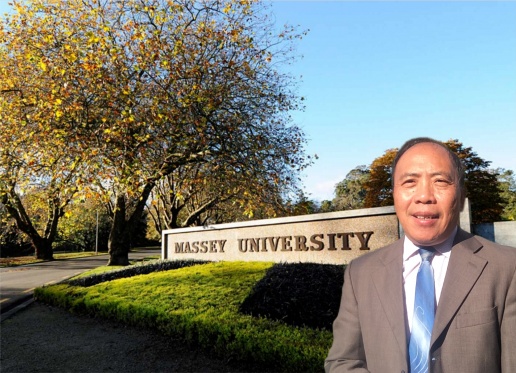
Associate Professor Haiyan ZHANG, Beijing Jiaotong University

Professor Lin SHEN, Guizhou University
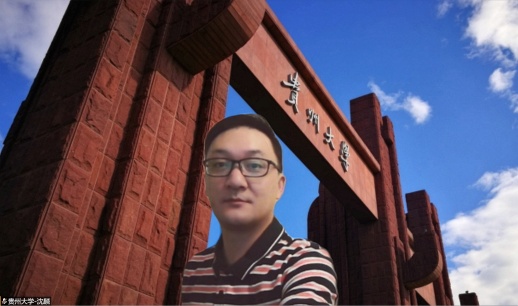
University of Auckland – Research Fellow Dr Shengnan Wang
“The Project Hui: An innovative virtual exchange programme for preservice teachers in New Zealand and China”
This new Tripartite Partnership in the social sciences is with Beijing Normal University and Qinghai Normal University. The University of Auckland received funding to conduct research into international exchange experiences for preservice teachers. Professor Wang proposes the Project Hui, a six-week digital international exchange programme aimed at bringing together the preservice teachers and education experts from each of the three partner universities.
The Tripartite Fund will enable all three partners to design the virtual exchange programme and implement a pilot trial to test efficacy. The proposal outlines the potential for growth and expansion of Hui as a virtual alternative exchange programme.
Dr Shengnan Wang, University of Auckland

Professor Guoyuan Sang, Beijing Normal University

Associate Professor Weiyu Song, Qinghai Normal University

University of Auckland – Professor Nicholas Rowe
“Teacher training for creativity and collaboration”
This new Tripartite relationship in the arts and social sciences is with Chengdu University and Beijing Normal University. The research project is built around an online learning tool that can provide effective professional development for teachers of creativity. The tool is currently under development as a microcredential at the University of Auckland and through the Tripartite Partnership Funding, the research and development of the digital resource will be expanded to explore the professional development needs of tertiary educators in China.
Image below: Professor Nicholas Rowe (University of Auckland) front row, centre and Professor Tuomeciren Heyang (Chengdu University) front row, to the right of Prof Rowe with staff of the Faculty of Creative Arts at Chengdu University
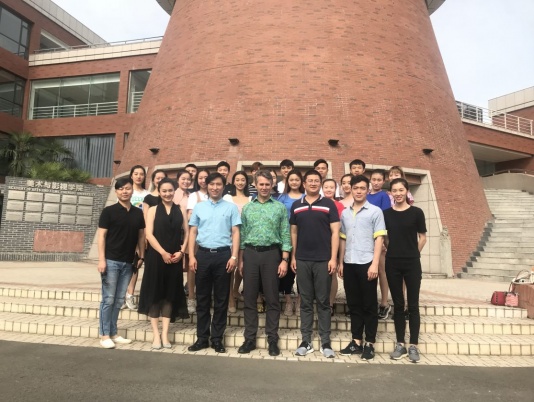
Image below: From Left to Right Professor Jie Wang (Beijing Normal University) Professor Lv Yisheng (Beijing Dance Academy) Professor Nicholas Rowe (University of Auckland) and Haiwen Wu, (Chinese Ethnic and Folk Dance Test Centre), in Beijing.