Search
Showing 10 of 7245 results
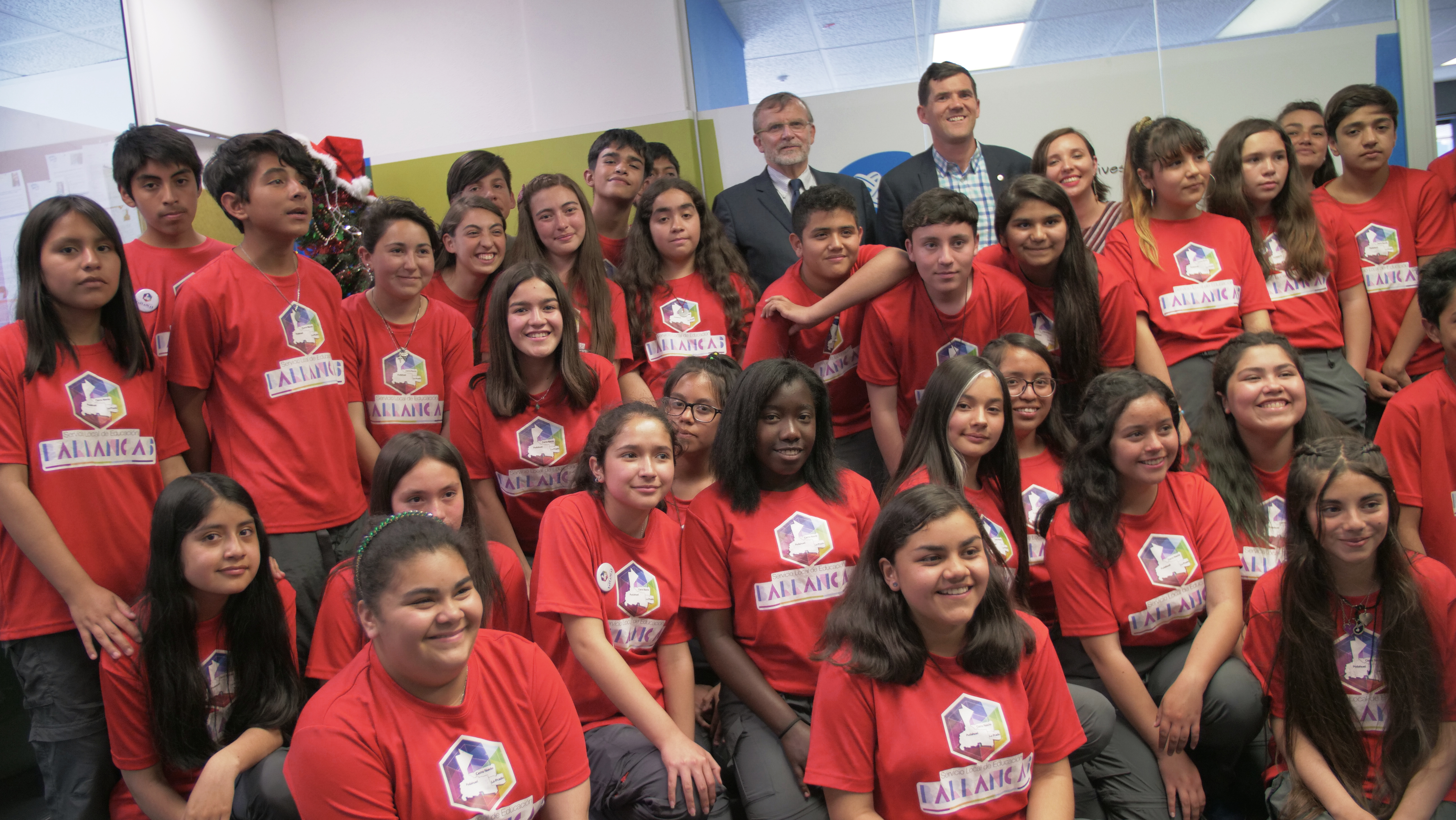
- Chilean group
-
Measles outbreak: information for international students

There is currently an outbreak of measles in New Zealand.
We encourage you to stay up-to-date with the latest advice and information on the measles outbreak by visiting the Ministry of Health’s website here.
Measles is a highly infectious airborne virus and one of the world’s most infectious diseases. It is important that international students get vaccinated at least two weeks before travelling to New Zealand. This allows time for the vaccine to build immunity.
For international students who are currently in New Zealand, it is important to know your vaccination status to know if you are immune. If you do not know your vaccination status, you may wish to ask someone at home to check with your healthcare provider.
It is extremely important to be up-to-date with measles immunisations. This protects the student, their community and anyone they may come into contact with – particularly small babies, pregnant women and others who cannot be vaccinated
One dose of MMR vaccine protects about 95 percent of people, and two doses protects about 99 percent of people. Two doses are necessary to prevent outbreaks.
It is important to note that the Ministry of Health is working closely with District Health Boards in New Zealand to manage the distribution of vaccine stock to ensure they are available to those who need them most. This means that first priority for MMR vaccinations is currently:
Auckland
- Ensuring all children receive their MMR vaccinations on time at 12 months and 4 years to maintain the national Childhood Immunisation Schedule
- Targeted community outreach managed by the three Auckland DHBs, namely groups who are most affected by the outbreak including 15-29 year olds and Pacific peoples within those groups.
Rest of New Zealand
- Ensure all children receive their vaccinations on time at 15 months and 4 years to maintain the national Childhood Immunisation Schedule
- Susceptible close contacts within 72 hours of first exposure to measles when possible.
Symptoms
Symptoms of measles include: a fever; cough; runny nose; sore and watery ‘pink’ eyes and a rash. People are contagious five days before and five days after the appearance of the rash, counting the day of rash onset as day one.
Advice if someone thinks they have measles:
- Stay away from work, school or public places
- Call Healthline on 0800 611 116, to inform them that you are experiencing symptoms of measles and that you may have come into contact with a measles case
- Cover your mouth and nose when coughing or sneezing and wash your hands frequently
- Minimise your contact with others to prevent infecting them
- Students should also make sure other people e.g. flatmates, friends, homestay families or hostel staff are aware they are unwell, so they can assist if needed.
Who shouldn’t get the vaccine?
You shouldn’t get immunised against measles if you:
- Are pregnant
- Have had an anaphylaxis reaction to MMR or are immunocompromised.
If a student thinks they have been exposed to measles and is unable to have the vaccine, they need to ask a doctor for advice.
Pregnant women who think they have measles, or have come in contact with someone with measles, must call their general practice or lead maternity carer as soon as possible. Pregnant women who were immunised against measles prior to becoming pregnant, are almost certainly protected.
More information
All international students must have medical insurance while they are in New Zealand. To find out more about healthcare in New Zealand for international students, go to NauMai NZ.
- IMG 2703
- lisacrop2
- IAPP photo EDIT
- 025 Studyinnewzealand Universities
- Paytonsmaller
- Denym Bird PMS pic 03
- jason fox
-
Introducing our joint work programme with Immigration New Zealand
The joint work programme will support the sector by sharing clear, consistent and relevant information. Aims include encouraging decision-ready applications coming into the immigration system, improving processing times, reducing pressure on the system and attracting genuine students.
First-time international student visa application checklist
The joint work programme has developed a student visa application checklist for people applying for a student visa as an international student for the first time.
The checklist provides a step-by-step guide for students. It will help first-time applicants avoid missing out information and including the correct supporting evidence needed so INZ is able to make decisions more quickly.
Not only does it include general application information, it also has further information for eight countries that require specific forms of verifications.
The checklist was developed in conjunction with ENZ and peak bodies and this feedback has been incorporated into the final version.