Search
Showing 10 of 7355 results
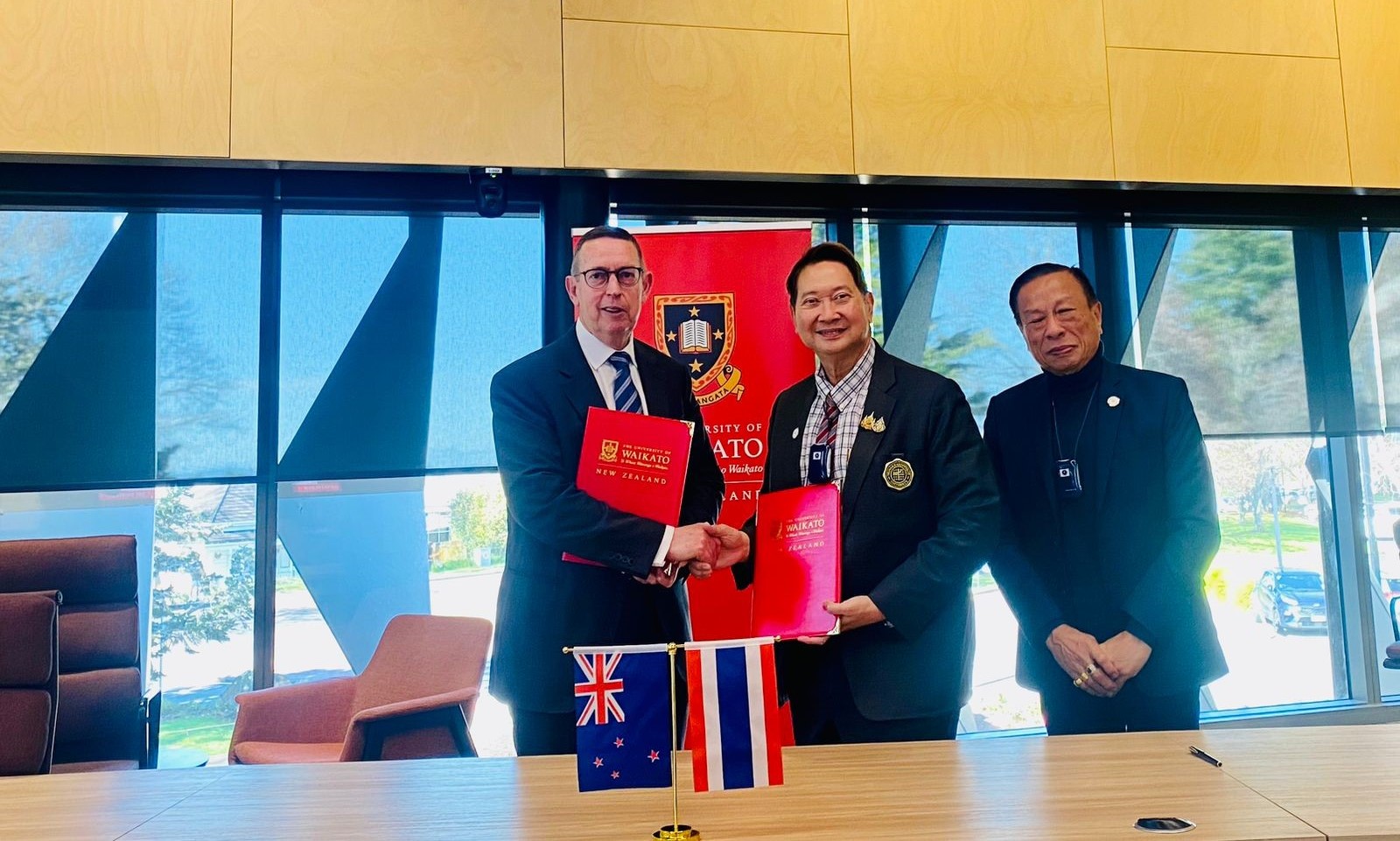
- MoU photo
- 2020 138 ENZ quarterly report 1 April 30 June 2020 PROACTIVE RELEASE
-
BizVenture winners tackle youth mental health with "It's Okay" clothing range
The innovative business entrepreneurship scheme is a pilot initiative led by Education New Zealand, Young Enterprise Scheme (YES), and Japanese partners to give students in both countries real-life experience in developing business solutions that address one of the United Nation’s 17 Sustainable Development Goals.
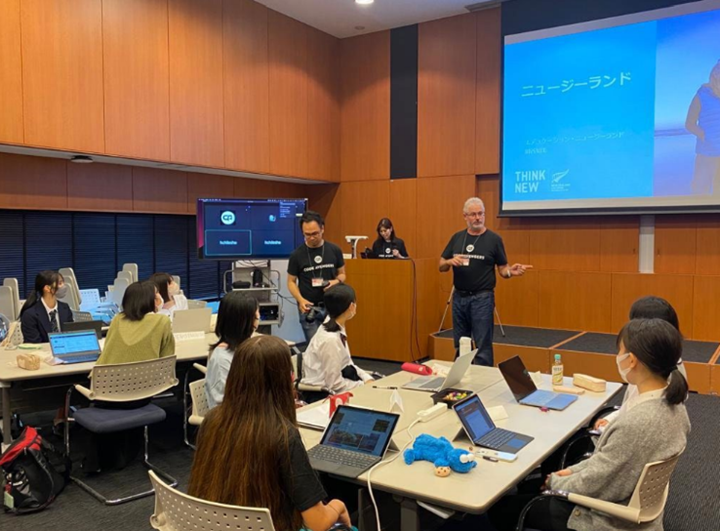
Forty students collaborated in a three-day virtual exchange, where they chose a challenge tackling some of Japan’s pressing social issues, before designing and presenting a business plan in a “Dragon’s Den” style pitch to judges.
The winning New Zealand team - Hamish Robinson (Taradale High School, Napier), Benjamin Young (Tauranga Boys’ College), Daniel Blight (Waimea College, Napier), Kaiah Sherriff (Southland Girls’ High School), and Abirami Kabilan (Pakuranga College, Auckland) - chose to come up with a strategy which would directly enhance the mental wellbeing of Japanese teenagers.
The UN SDGs are some of the biggest problems facing humanity today, so working on them was a pretty full-on task” – Pakuranga College student Abirami Kabilan
It is a topic which directly impacts young people in both countries, as UNICEF ranks Japan 37th among 41 OECD countries for the state of children’s mental health, and New Zealand one lower, at 38th place.
Insights into business and culture “eye-opening”
To succeed, the students had to gain a thorough insight into Japanese culture, youth behaviour, and business practice. Ahead of their pitches, the teams joined interactive workshops with New Zealand and Japanese guest speakers, cultural mentors, and language coaches.
Abirami Kabilan describes the exposure to Japanese business and societal culture as “eye-opening”.
“The UN SDGs are some of the biggest problems facing humanity today, so working on them was a pretty full-on task.”
“One of the most interesting things about this cross-cultural experience was seeing how the Japanese students approached the same problems. Young people around the world will have such different ways of approaching these problems too. Imagine the ideas we would come up with if we all worked together.”
The winning team successfully pitched a clothing brand called 大丈夫, which translates in English to “It’s Okay”, to get the conversation about mental health out in the open among Japanese youth, and hopefully gain the support of high-reach Japanese influencers to help push their critical wellbeing message.
They decided the best way to break into the Japanese market would be with “in your face” messaging using symbols of strength, such as dragons and samurai, to promote their message.
“This is something that has not been done in Japan before and we’re ecstatic to be winners,” Hamish Robinson says.
BizVenture promotes global competency
The BizVenture programme will allow students to understand the Japanese business context and increase their global competency, says Young Enterprise Scheme lead Elizabeth Pittman.
“New Zealand youth have such a strong interest in sustainability and improving social outcomes within their communities and abroad, and this challenge allows them to explore that interest in a business context.”
International education adapts to changing needs of learners
Education New Zealand is keen to build on the success of this year’s pilot BizVenture programme as international education adapts to meet the changing needs of learners. International research shows that students are increasingly seeking programmes and content that is relevant to real world problems and which will allow them to make a real difference.
The programme also builds on New Zealand’s diplomatic relationship with Japan while travel for international students remains limited.
“Over many decades Japan and New Zealand have benefitted from an enduring partnership,” says Hamish Cooper, New Zealand Ambassador to Japan. “Education has played a really important role in fostering people-to-people ties, and supporting the development of what are now, in 2021, very close connections between our two countries.”
“Before the pandemic, more than 10,000 students from Japan studied in New Zealand every year, making an important economic contribution, but also enriching our schools and communities, and helping New Zealand students become more globally connected.”
- Picture2 v2
-
NZ’s updated Code of Practice – caring for international students
The following article is based on a presentation by Julia Moore from the New Zealand Qualifications Authority (NZQA) at NZIEC KI TUA 2022 in August. NZQA is responsible for administering the Education (Pastoral Care of Tertiary and International Learners) Code of Practice 2021 (the Code), which came into effect in January this year.
All domestic and international tertiary students, and international students in schools, are now covered by the Code. Offshore learners are also covered, with updated guidance from NZQA explaining what is expected, and what pastoral care might be provided for people studying offshore.
Wellbeing is closely connected with success in education, and this is recognised in the updated Code. The Code signals a new way of thinking about success for learners which includes wellbeing and acknowledges that being heard and responded to is part of wellbeing.
“International learners should be able to have their voices heard and heeded,” Julia said.
The Code sets a framework for the relationship between providers and students. It acknowledges solutions are best found locally, so the Code requires providers to work out what is appropriate in their own setting, and for meeting the needs of diverse learners. Learners and their communities need to be included in the design, review, and improvement of practice. Taking care of international learners has become an organisation-wide responsibility for the education provider, rather than the sole responsibility of pastoral support teams or the international office.
“We aim to support providers’ continuous improvement in taking a whole-of-organisation approach to pastoral care, honouring Te Tiriti o Waitangi, and responding appropriately to the diverse voices and wellbeing needs of their learners,” Julia said.
You can listen to NZQA’s full presentation at the link below.
NZQA holds regular workshops on the Code, and you can find out more here
Links to further information:
Read the Education (Pastoral Care of Tertiary and International Learners) Code of Practice 2021
Code resources for tertiary providers
Code resources for school signatories
If you have any questions, please email the code team at NZQA: Code.Enquiries@nzqa.govt.nz
-
October update from Immigration New Zealand
Update on student visa processing*
Since the borders reopened on 1 August 2022, we have received 7,710 student visa applications from international students outside New Zealand. We have decided 4,885 of these applications with over half of these decisions being made in less than 4 weeks and 95% being made within 7 weeks.
*Figures current as at 17 October 2022.
Submit your student visa application for early 2023 study now
Thank you to everyone who has followed our guidance around waiting to submit applications for a student visa for 2023 study. We now encourage students who are intending to begin their studies in New Zealand in early 2023 (up to the end of March) to submit their applications. If you have all your documents ready (including your offer of place and up to date financial evidence) then apply now to give enough time for your application to be processed before your intended travel date. Follow the checklists on the INZ website Student visa information | Immigration New Zealand for guidance on what to provide with your application.
Sending your passport to INZ
We have changed the rules for when you need to send us your passport. Now, if you are applying for a student visa you only need to send us a high-quality scan of your passport, you will not usually need to send your actual passport to be scanned at a Visa Application Centre (VAC) or an Immigration New Zealand office. This is a temporary measure to help with visa processing. Please note applicants may still receive an automated letter asking for a passport to be submitted. This is not required. We are updating the letter to address this issue.
More information: Sending your passport | Immigration New Zealand
Post-study work visa eligibility
Changes have been made to the Post-Study Work Visa eligibility requirements and visa conditions, to reflect the government decisions announced on 11 May 2022. For more information check the INZ website: New Post Study Work Visa requirements announced | Immigration New Zealand
- Picture9
- E News 1731 ENZ sister schools logo ENG colour CMYK
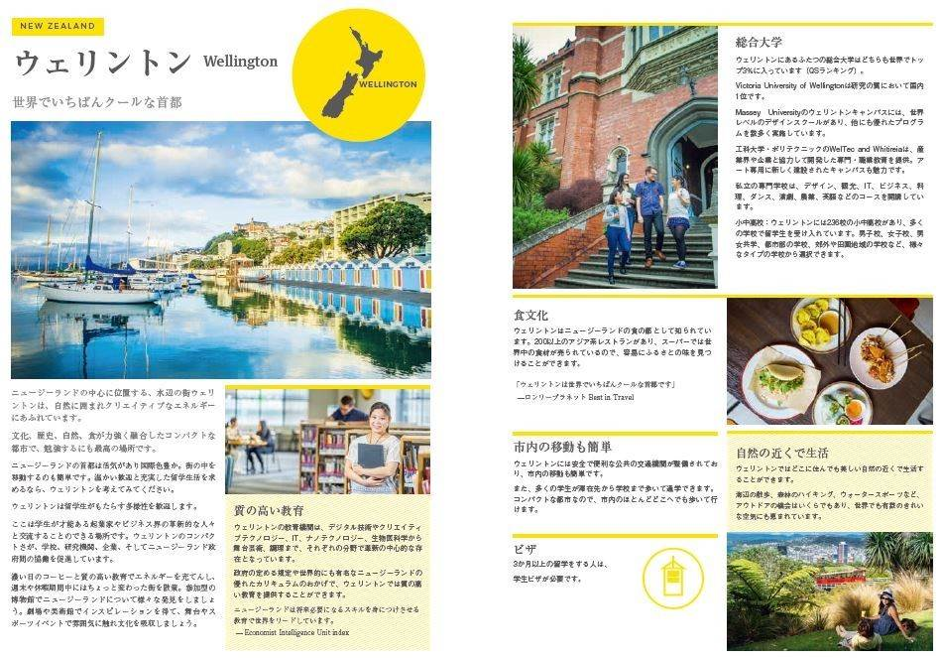
- japanadvertising
- Joghn G resized 0