Search
Showing 10 of 7351 results
- 0300
- Homepage Hero image July 16
- PMSLA Programs final
-
International student enrolments top 59,000 for the first eight months of 2023
The Minister for Tertiary Education and Skills, Hon Penny Simmonds, today released international student enrolment data for the first eight months of 2023. From January to August 2023 there were 59,306 international student enrolments* with New Zealand education providers, a 43% increase compared to the full year in 2022.
Minister Simmonds said, “Over 59,000 enrolments, in just eight months, confirms that international students continue to find New Zealand an attractive education destination. And for the university sector with 27,535 students enrolled, where a proportion of learners may study for a number of years, there is a solid base of students from which to grow.”
International student enrolments have grown in all subsectors except wānanga. Comparing 2023 to 2022, English Language Schools have seen the greatest percentage increase in international enrolments, increasing by 347% from 1,565 to 7,001. Schools reported a 114% increase from 5,925 to 12,662. Te Pūkenga, a 32% increase from 4,955 to 6,560. Universities, a 15% increase from 24,040 to 27,535 and Private Training Establishments (funded and unfunded), a 13% increase from 5,000 to 5,671.
Universities and schools remained New Zealand’s two largest subsectors for international students.
As with all New Zealand’s competitors, China is the largest source market for international students. In the reporting period, China was 36% of enrolments, with India (10%), Japan (10%), South Korea (5%), and Thailand (4%) in the top five.
Minister Simmonds said, “It is a Government priority to diversify our recruitment efforts for international students with the aim of reaching a broader spectrum of countries.”
Final enrolment numbers for 2023 will be available shortly.
To access the latest data provided by the Ministry of Education, please use the public access link to Tableau here.
* One individual may enrol more than once
For further information:
Justin Barnett | Director of Communications, Education New Zealand
+64 21 875 132
- August 2018 student visa summary
- Lisa1
-
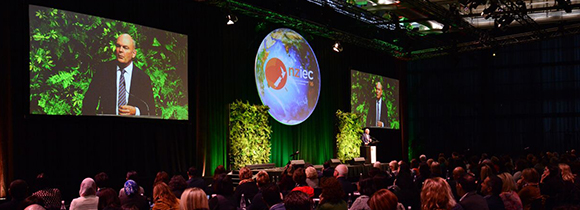
Keynote speakers pose challenges
Unconscious bias, new models of collaboration and poetry readings in fish and chip shops are just some of the subjects examined by NZIEC’s three dynamic keynote speakers.
Guy Ryan
Imagine if every New Zealander unleashed their potential to change the world.
That’s the bold vision of Guy Ryan, founder and CEO of the charity Inspiring Stories.
Guy called on the audience to reimagine education by:
- Discovering new models of learning and collaboration.
- Creating powerful experiences and building degrees and qualifications around them.
- Harnessing technology and having content delivered by world-class people here and overseas.
- Fostering connectivity and partnerships, and thinking more about global opportunities.
New Zealand is capable of meeting challenges, says Guy, because we are “the tiny nation that can”.
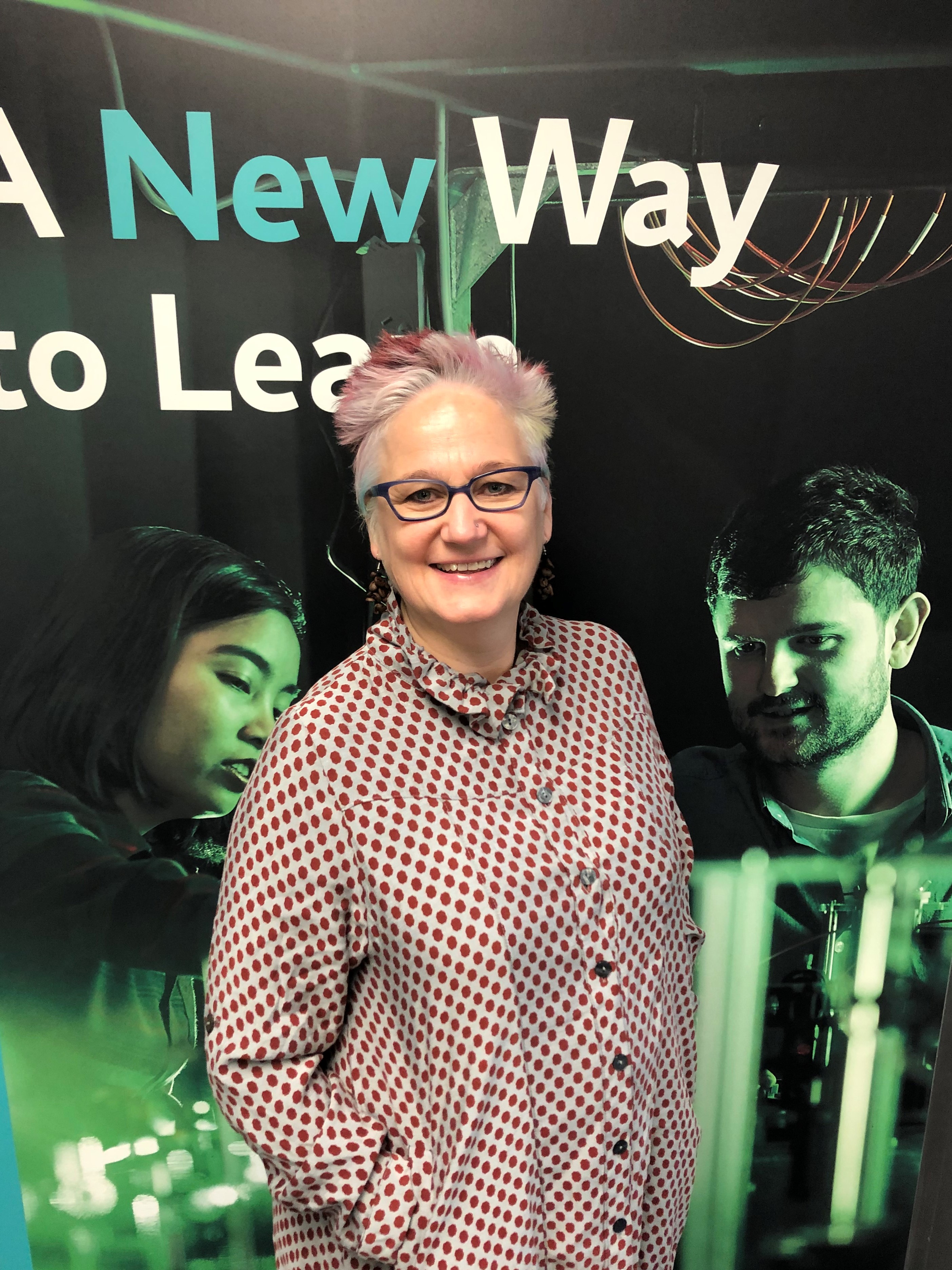
Dr Lisa Coleman
Dr Coleman is Senior Vice President for Global Inclusion and Strategic Innovation and Chief Diversity Officer of New York University.
She challenged the audience’s thinking with questions such as:
- How are Millennials and Generation Z students asking us to think differently about inclusion, diversity and belonging?
- How might unconscious bias manifest itself the same or differently in individuals and organisations? (Take a test to determine your individual unconscious bias at Project Implicit)
- When trying to change an organisation on an issue such as diversity, people at the top and the bottom are often supportive but messages may get lost in the middle. How do we engage the “messy middle”?
- How we do ensure both partners in global partnerships are on an equal footing, rather than having one leading the other?
Professor Chris Gallavin
Soon to embark on a poetry tour of the nation’s fish and chip shops, Professor Chris Gallavin is both a poet and Deputy Pro Vice-Chancellor of the College of Humanities and Social Sciences at Massey University.
He told the audience that education should not be about passing on information, but about “learning how to do things with the stuff we know”.
Professor Gallavin called for a more collaborative future, with education providers engaging with industry, politics and broader society to help solve the world’s problems.
“The revolution is coming, whether we like it or not, and it will be driven by young people,” he says.
“Universities need to change our view of how we see ourselves in the world, from bastions of knowledge to centres of collaboration.”
- T CM6684
- 1R3A2349
- NZIEC 2FINAL