Search
Showing 10 of 7357 results
-
New Zealand universities showcased to global education leaders at QS India Summit 2025
The initiative was well aligned with ENZ’s goal to build global connections for New Zealand education and explore solid opportunities that will help New Zealand thrive through world-class international education.
Education New Zealand Manapou ki te Ao (ENZ), along with the University of Canterbury, University of Waikato and Massey University made an impactful presence across a range of sessions and workshops.
The summit had the New Zealand contingent showcase the quality of our universities and engage in discussions focused on university-industry collaborations, workforce development, global research leadership, while discussing the importance of building resilient, education institutions that can adapt to a rapidly changing world.
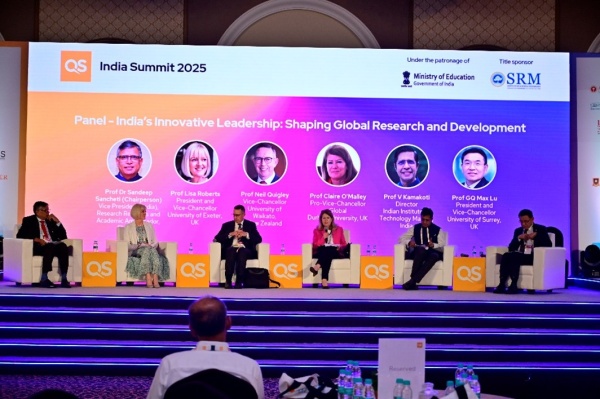
Prof. Neil Quigley, Vice-Chancellor of the University of Waikato, exploring India’s leadership in cost-efficient R&D and its role in supporting global partnerships to address pressing challenges at the QS India Summit 2025.
ENZ’s Director of Engagement, East Asia & India, Jugnu Roy, led a discussion on aligning curricula with emerging job market demands to better prepare students for global careers.
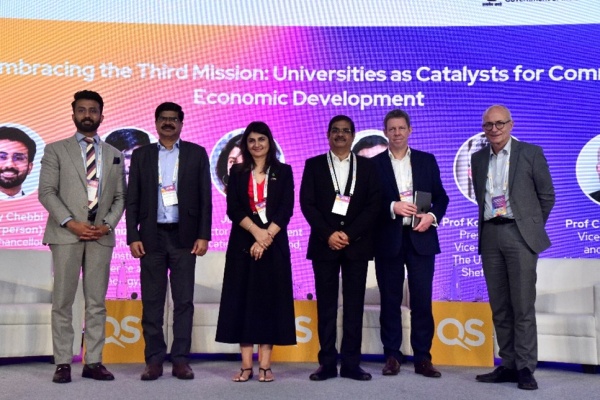
ENZ’s Jugnu Roy discussed how universities could drive social and economic impact beyond their primary roles of teaching and research at the QS India Summit 2025.
Considering how well recognised New Zealand universities are globally, with all eight ranked in the top 2 percent in the 2025 QS World University Rankings, the QS Summit was an opportunity for New Zealand education to strengthen its relationships with key global and Indian education leaders, Jugnu said.
“New Zealand universities are also known for their sustainability stewardship, with our universities ranking first for sustainability stewardship and second for sustainability outreach in the Times Higher Education Impact Rankings 2024.
“Within this context, the summit was a strong platform for us to share best practices and explore new avenues for collaboration between New Zealand and India.
“We look forward to collaborating with global and Indian leaders in education to shape a brighter future together.”
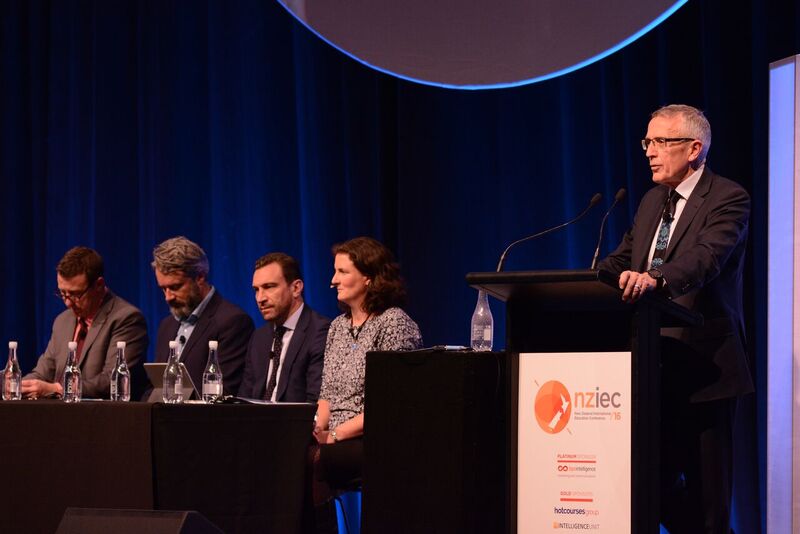
- NZIEC panel
- International photo roundup
-
Meet the team: Paul Irwin
Hi Paul! What do you and the Partnerships and Marketing team do?
My team grew out of the former industry and marketing teams, following an organisational change around a year ago. Our team’s purpose is ‘to partner with international education providers to transform students’ lives and create a thriving, globally connected Aotearoa New Zealand’.
What this means in practice is that we aim to get the best alignment between the goals and capacity of our education providers with the aspirations and needs of our student audience.
Day-to-day, we look after and develop the ENZ brand, marketing channels and campaigns, digital platforms, student experience, scholarships and industry relationships.
How has your role evolved since you started at ENZ?
I joined ENZ in 2015 as the General Manager – Marketing & Channel Development. That role has evolved a couple of times through to my current role spanning the marketing and education industry teams.
Bringing our two teams together has been a big step forward. It’s given our marketers a much better insight into the needs of our providers and helped us to develop new ideas around marketing and product development with our industry.
One example of this has been the development of our new creative platform, I Am New, for our Think New brand. We all know lots of students whose lives have been transformed as a result of a New Zealand education and their wider experience while here. And we know that the world needs a new approach and our Think New education can deliver this, supported by New Zealand’s biculturalism and progessive and open society.
What I’ve found so far is that I Am New has resonated well with industry. It’s become almost like a rallying cry.
Can you tell us a bit about your professional background?
I’ve worked in marketing, publishing and advertising in New Zealand, London and in a regional role, based in Hong Kong.
My role in Asia was a transformational one – it really opened my eyes to the dynamism and diversity of Asian markets. I was also lucky enough to see in the historic handover of Hong Kong from the British to the Chinese in 1997.
In the 10 years before I joined ENZ in 2015, I worked for a range of advertising and marketing companies, and worked with clients like the Health Promotion Agency, Ministry of Education and Inland Revenue. Two of the highlights of that period were working on the launches of the Prime Minister’s Education Excellence Awards for the Ministry of Education and the award-winning ‘What’s My Number?’ campaign for the Electricity Authority.
How do you see marketing changing in the next few years, especially as digital transformation entrenches itself?
Over the years I’ve seen lots of changes in the world we operate in, but believe that while technology offers new opportunities, the principles of marketing remain the same. You need to understand both your audience and your business model, have a strong brand and value proposition, and provide a great customer experience.
I’ve worked in two significant industries, publishing and advertising, that have experienced major disruption and transformation. There’s always a spectrum from those resistant to change, believing ‘the proven ways’ are timeless, to those overhyping the radical nature of change. In my experience the truth lies somewhere in the middle, but the worst thing one can do is ignore change.
And finally, it’s no secret around the office that your weekends look a bit different to your nine-to-five. Can you tell us a bit about that?
My family lives on our 10 ha property in Marlborough. We have an organic vineyard, grow olives and keep a few animals (including, from time to time, mad sheep).
We don’t make our own wine; instead, we sell our grapes to a local winemaker who markets under the award-winning organic label, The Darling. We do, however, produce our own olive oil.
It’s a lot of hard work, but very rewarding. I grew up in mid-Canterbury on a farm near Rakaia, so working the land feels very natural to me and it provides a nice balance to my office-based role in Wellington during the week.
-
Keeping international students at the forefront of the RoVE conversation
ENZ has an important role in the implementation of the NZIST. We are tasked with ensuring the international education voice is heard and considered; supporting the vocational education sector during the transition; and helping shape the long-term plan for the NZIST international offering.
ENZ recently hosted a communications workshop with government agencies, the IST Establishment Unit and RoVE communications professionals to discuss the potential impact the vocational education reforms may have on international students and the international education sector.
The outcomes of the workshop included an international education focused communications approach that will consist of articles for overseas media, tailored updates for agents and students, and supporting brochures and factsheets. These will ensure international students and their support networks, which includes agents, family members and international office staff, receive relevant, timely information on the transition to the NZIST and feel confident that they know what it means for them and that New Zealand remains the best place for them to study.
ENZ’s Kaylee Butters is currently on secondment to the role of Director, IST Implementation. This role is focused on developing a comprehensive marketing programme to support the vocational education sector during the transition to NZIST, and helping shape the long-term brand positioning of the institute internationally.
“ENZ is excited by the opportunity to support the sector and the NZIST in these crucial stages of development,” Kaylee says. “We see this as an incredible chance to market New Zealand’s vocational education offering internationally under a strong, unified national brand.”
The short-term plan will leverage ENZ’s existing channels and platforms to communicate a clear and confident message to prospective international students, agents and partners. The goal is to continue to attract high-calibre learners to the ITP sector with key messaging and content that aligns with ENZ’s Think New brand.
Long-term, ENZ has an opportunity to work with the NZIST and other Government agencies to design a customised and competitive ‘package’ for international students.
To assist with the day one requirements of the NZIST, ENZ is also supporting the development of the institute's new website. ENZ has developed a student-facing digital ecosystem with award-winning digital marketing capability, business intelligence and Government-level security. ENZ is able to leverage crown investment by using www.studyinnewzealand.govt.nz as a foundation to build a new digital platform tailored to the ITP and ITO sector. We can also support the sector by sharing our learning to ensure the best possible user experience and customer journey for all international and domestic students.
- PTE Bacolod Fair3
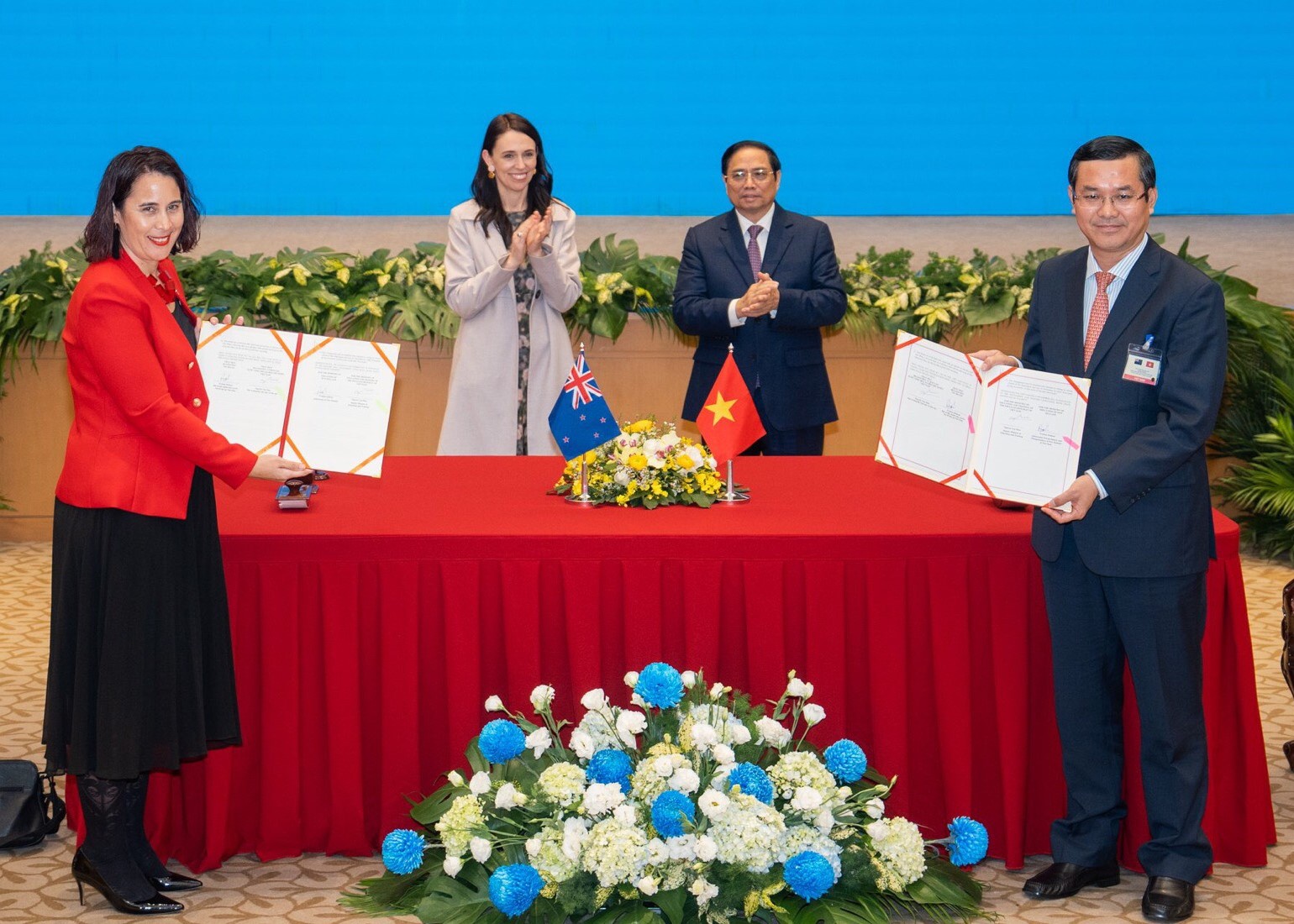
- Vietnam 2
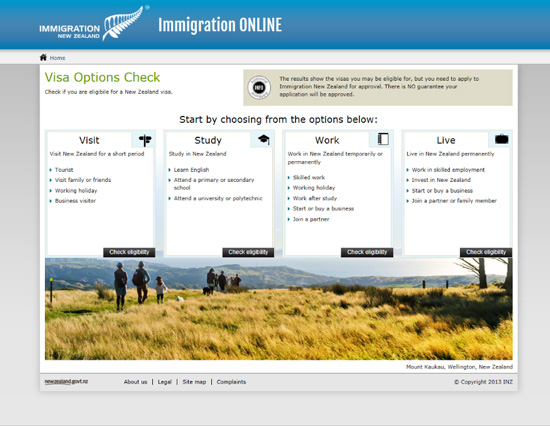
- immonline
- 20240808 161033
- Agent Event Malaysia