Search
Showing 10 of 7357 results
-
MIQ costs changing for temporary visa holders
Our managed isolation and quarantine (MIQ) facilities are an essential part of our COVID-19 defence system. The fees charged to people who stay in MIQ are designed to strike a balance between the benefits to both the New Zealand public of having such a robust system, and those who leave and enter the country.
Currently, temporary entry visa class holders are liable to pay $3,100 for 14 days in managed isolation.
From 12:01am on 25 March 2021, anyone entering New Zealand on a temporary visa is now liable to pay the MIQ fee of:
- $5,520 (including GST) for the first or only person in the room;
- $2,990 for an additional adult in the same room;
- $1,610 for an additional child (aged 3-17 years) in the same room.
Charges for some stays in managed isolation were introduced in August 2020, as it was not financially sustainable for the Government to continue to fund all the costs of MIQ. The fees were set at two levels: one for returning New Zealanders and one for some temporary visa holders.
These new charges will help ensure the ongoing financial sustainability of MIQ, which is now expected to remain in place for at least the rest of 2021. However, as time has passed, Cabinet has decided that more people entering the country should contribute to the costs of their MIQ stay.
The fee level temporary visa holders pay is closer to the actual cost of MIQ, although the Government is still subsidising some of the cost.
The new fees are the same as those charged to critical workers entering the country under a border exception. Critical healthcare workers entering under a border exception will continue to be charged the current standard fee of $3,100 to ensure the healthcare workforce can be quickly scaled up in case of a resurgence of COVID-19.
MBIE can grant a full or partial waiver of managed isolation fees in cases of financial hardship or other special circumstances, or arrange a deferment of payment, for temporary entry visa class holders.
See the MIQ website for more details: https://www.miq.govt.nz/being-in-managed-isolation/charges-for-managed-isolation/
-
Around the world in five
Around the World in Five
NEW ZEALAND
How New Zealand inspires and cares for international students
The government has recently announced that 1,000 students will be allowed to return to New Zealand in stages from April 2021 onwards. This initiative is just the tip of the iceberg in a series of efforts set to eventually unfold –– all part of a rigorous recovery plan for its international education sector. “It underscores the government’s commitment to the international education sector, which is important in the country’s long-term economic recovery from COVID-19,” says education minister Chris Hipkins.
UNITED STATES
Looking ahead into the unknown: US study abroad sector predicts cautious recovery
Pent up demand to travel and a resilient sector is giving US outbound program specialists hope – following the collapse of business as a result of the global health pandemic. But some warn that recovery will be gradual and the market will not return to its usual vitality until after 2024.
AUSTRALIA
‘Very concerning’: Indian students abandon Australian universities
The number of new Indian students choosing to study at Australian universities collapsed by more than 80 per cent in the second half of 2020, in a further blow to the country’s more than $30 billion international education system.
GLOBAL
New edtech startups aim to reinvent the online classroom
The chaos of 2020 forced educators to quickly adopt video conferencing tools such as Zoom and Google Meet to teach their students remotely. While none of those services had been specifically built for education, it hasn’t taken long for a new generation of edtech providers to enter the marketplace.
GLOBAL
Why universities will need to digitalise to survive
Universities, and the role they play in society, are under threat from the impact of the ongoing pandemic.
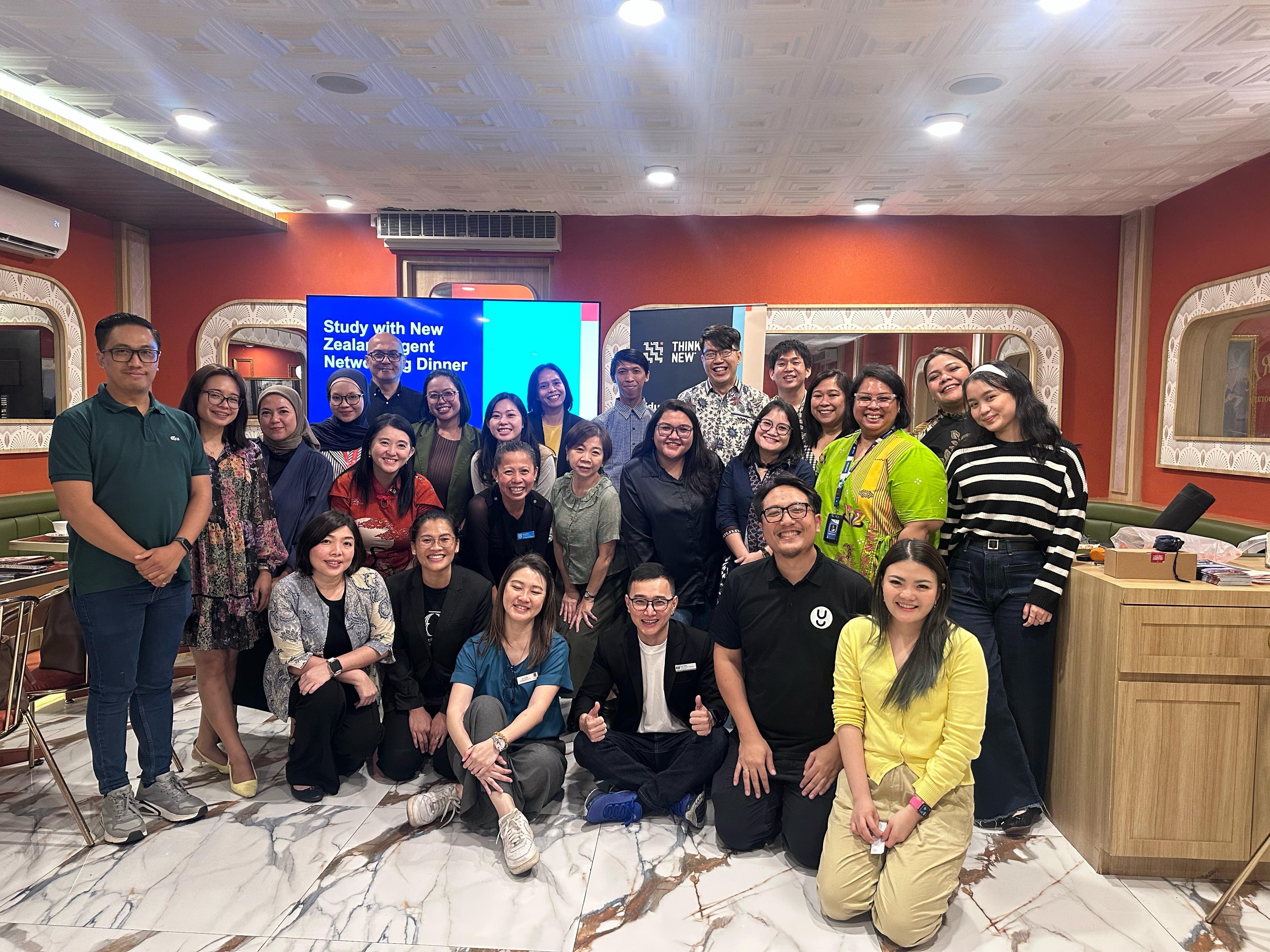
- Agent Networking Events Indonesia
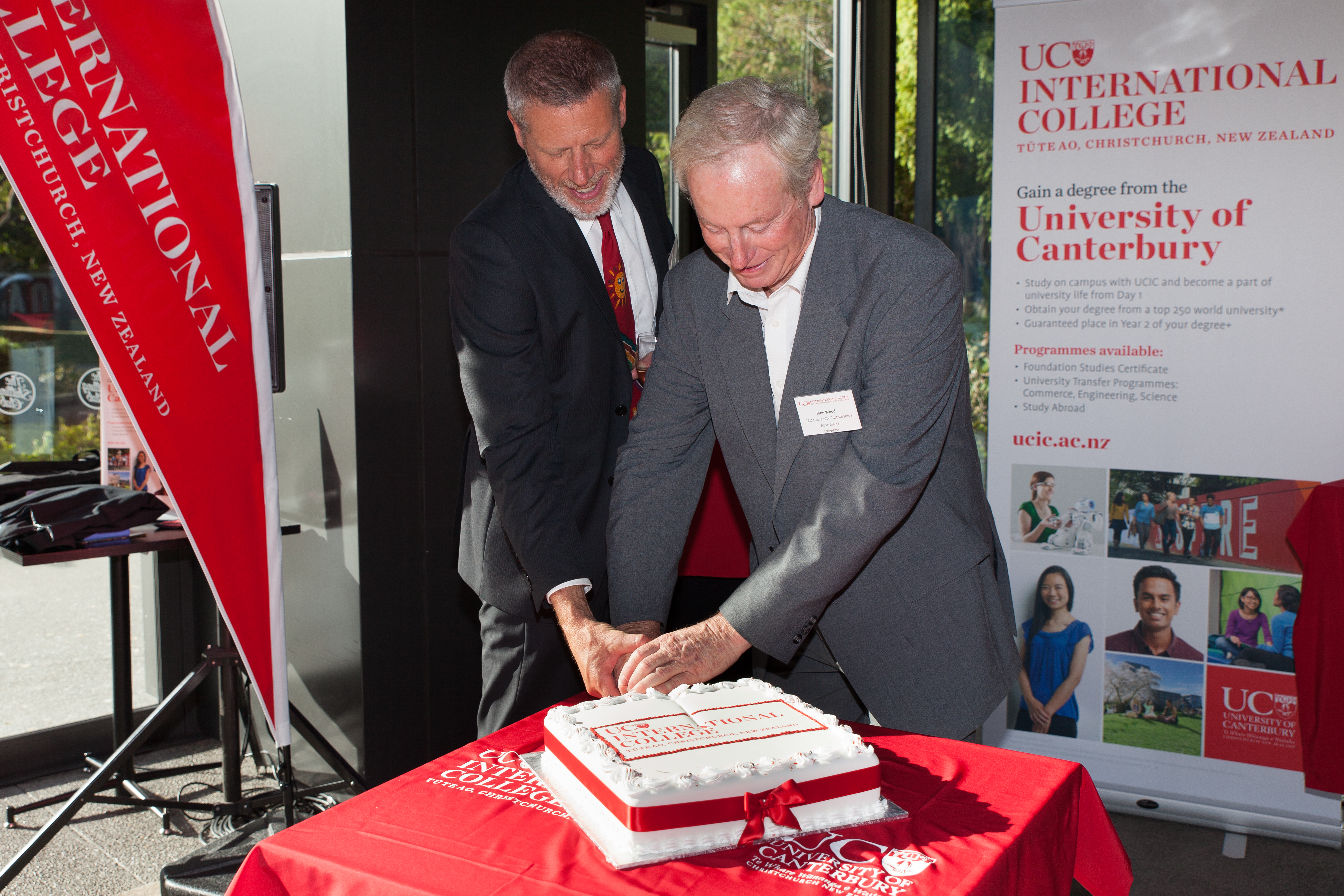
- UCIC 3
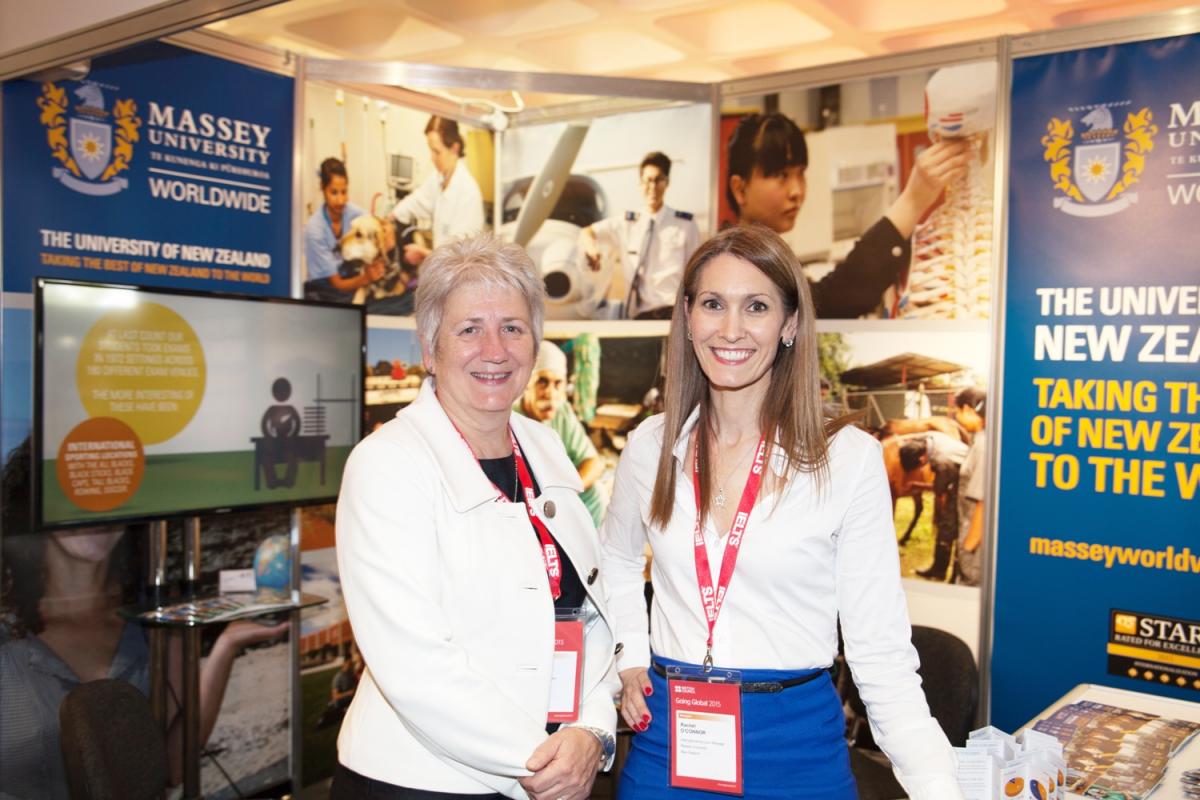
- Massey20story20photo
-
Update from Immigration New Zealand
Student visa applications: Missed intakes and next steps
Some students who applied late for study in 2026 may not have received a visa decision in time for their intended intake. If a student has missed their intake, what happens next depends on when their study can begin.
If a student can start later in 2026: In some cases, we may be able to approve the application in principle, provided other requirements are met. Any outstanding information will need to be supplied by the date given, and the visa can then be granted once all requirements are satisfied.
If a student can’t start until 2027: Withdrawing the application and requesting a fee refund is generally the best option. Supporting information can become outdated over time, and personal circumstances (including health) may change. Applications for the 2027 academic year should be submitted around September 2026.
Working on a student visa
The ‘Working on a student visa’ page on the Immigration New Zealand website has been updated to clarify the following: Secondary school students who have finished studies, and who have associated work rights, can continue to work part-time for up to 25 hours (or full-time during the Christmas and New Year holiday period) for the remainder of their visa.
More information: Working on a student visa: Immigration New Zealand
Funds Transfer Scheme now available for Nepal
As of 2 April 2026, Nepal is now included in the Funds Transfer Scheme (FTS), delivered through ANZ Bank New Zealand Limited.
The FTS helps reduce the amount of financial documentation students need to provide and gives us greater confidence that students have access to enough funds while in New Zealand. Expanding the scheme to more countries is also expected to support faster processing.
For most Nepalese students whose applications are approved in principle, use of the FTS will be required.
More information: Funds Transfer Scheme
Education agent performance data released
New data is now available showing 2025 student visa application volumes and approval rates for education agents. This information is published annually.
The data includes education agents who are exempt from licensing and does not include Licensed Immigration Advisers.
INZ has also released 2025 overseas student visa decision data, broken down by country.
View the data:
- Education agent performance data: Immigration New Zealand
- Overseas student visa application decisions for 2025: Immigration New Zealand
-
NZIEC KI TUA theme and early bird registration prices announced
The 31st New Zealand International Education Conference KI TUA 2024 (NZIEC KI TUA) will be held in Te Whanganui-a-Tara Wellington from 6 - 8 August at Tākina Convention Centre.
The theme for this year’s conference is Te Ara ki te Ao.
Step into a world of boundless possibilities at NZIEC KI TUA 2024 where we will delve into the heart of ‘Global Growth Unleashed' and the transformative power international education can bring in today’s world of unprecedented connectivity.
Early bird registrations for NZIEC KI TUA 2024, will be available very soon so keep an eye out for future communications or visit NZIEC 2024 from early March.
Registration Costs for NZIEC KI TUA 2024
2024 Early bird registration
$725 incl GST
Two-day conference, Welcome Function and Farewell Hour
2024 Standard registration
$800 incl GST
Two-day conference, Welcome Function and Farewell Hour
2024 Gala Dinner
$150 incl GST
Inc drinks, nibbles and 3 course dinner
1 day rate early bird
$375 incl GST
One-day conference, Welcome Function or Farewell Hour
1 day rate standard
$400 incl GST
One-day conference, Welcome Function or Farewell Hour
- NZ Semester PMSLA Programs final
-
Lifeswap premiere celebrates friendship between New Zealand and Germany
The final two episodes of the cult-hit webseries Lifeswap, ‘Laughing Matters’ and ‘Die Brücke’, concluded the animated adventures of Duncan and Jörg – the German and Kiwi friends who helped one another understand a new culture.
‘Laughing Matters’ tells the story of Jörg, who had an excellent experience in New Zealand, and (due to his preparedness for the future) was accepted into one of New Zealand’s most innovative and technologically advanced companies ‘Rockets R Us’.
The episodes were commissioned by ENZ and the Germany Embassy respectively.
“We were very fortunate to be able to celebrate Lifeswap with its creators Steffen Kreft – who was himself an international student at Massey University in Wellington – and William Connor, and their many fans at a live event at Wellington’s Embassy Theatre,” ENZ Chief Executive Grant McPherson said.
“After a year of restricted international travel and very few in-person events, it was a reminder that global education connection and cooperation has not stopped.
“The Lifeswap series highlights how the longstanding friendship between New Zealand and Germany transcends the situation we find ourselves in. It is a very powerful example of international education relationships keeping New Zealand globally connected while travel is limited.”
Following the launch of Laughing Matters – which built on the success of the first joint ENZ Lifeswap episode Group Effort in which Prime Minister Jacinda Ardern had a cameo appearance – the partnership is also being shared with key partners and audiences in Germany as part of ENZ's Americas, Middle East and Europe Education Week.
To leverage the popularity of the new episode and the wealth of the important topics it deals with, ENZ is working with a PR agency in Germany to tell this positive story more widely.
The PR engagement will involve a mix of approaches, including traditional media, social media and partnering with influencers, to ensure we reach a wide audience on all relevant channels.ENZ General Manager – International, Lisa Futschekworked with Kreft and Connor for months on ‘Laughing Matters’.
“It’s a great fit for Education New Zealand to be working with such creative people who are telling a fantastic story about the friendship between New Zealand and Germany.”
Also in attendance was the German Ambassador to New Zealand, his Excellency Stefan Krawielicki.
In his speech to the audience, the Ambassador noted how the humour of Lifeswap allows New Zealanders and Germans to laugh at themselves, and understand our differences.
“It’s such an enriching experience for young people to go to New Zealand – or for young people to go to Germany – and learn about different approaches and shared values,” he said.
“Education is a bridge builder and makes young people [become] lifelong ambassadors.”
Lifeswap dates back to 2013, when creators and partners Kreft and Connor began to work together, pooling their considerable skills in language, animation, and cultural competency.
The pair said at the premiere that while they’re sad to leave Duncan and Jörg behind, their story is complete.
“It’s probably a little bit like what parents feel like when their kids are going to study overseas,” Kreft says.
-
Around the world in five
NEW ZEALAND
While You Were Away: New Zealand’s Journey to a More Inclusive International Education Experience
This past year, issues of race and inequality have been thrust to the forefront of global consciousness amidst a pandemic that has made international travel – and education – more complex than ever. During this time, New Zealand has taken the chance to reflect on the role of international education in promoting equity, diversity, and inclusion.
GLOBAL
How will university campuses change post-pandemic?
In much the same way that the transition to work from home has caused corporations of all sizes to dig deep to understand the high value tasks that occur most successfully when teams gather in person, higher education may soon be shifting its campus model in response to the integration of virtual learning into its ongoing pedagogy.
GLOBAL
International student recruitment and online communications in the age of COVID
A round up of strategies and tips for adapting student communications for recruitment marketing during the pandemic.
AUSTRALIA
Australia launches International Education Strategy consultation
The Australian government is looking for input from students, educators and the higher education sector on a new strategy for international education in Australia.
CHINA
China to tighten grip on edtech industry and online learning
China’s Ministry of Education announced on March 31 that education departments should limit the times at which primary and secondary school students take part in online learning to ensure they are getting enough sleep.