Search
Showing 10 of 7355 results
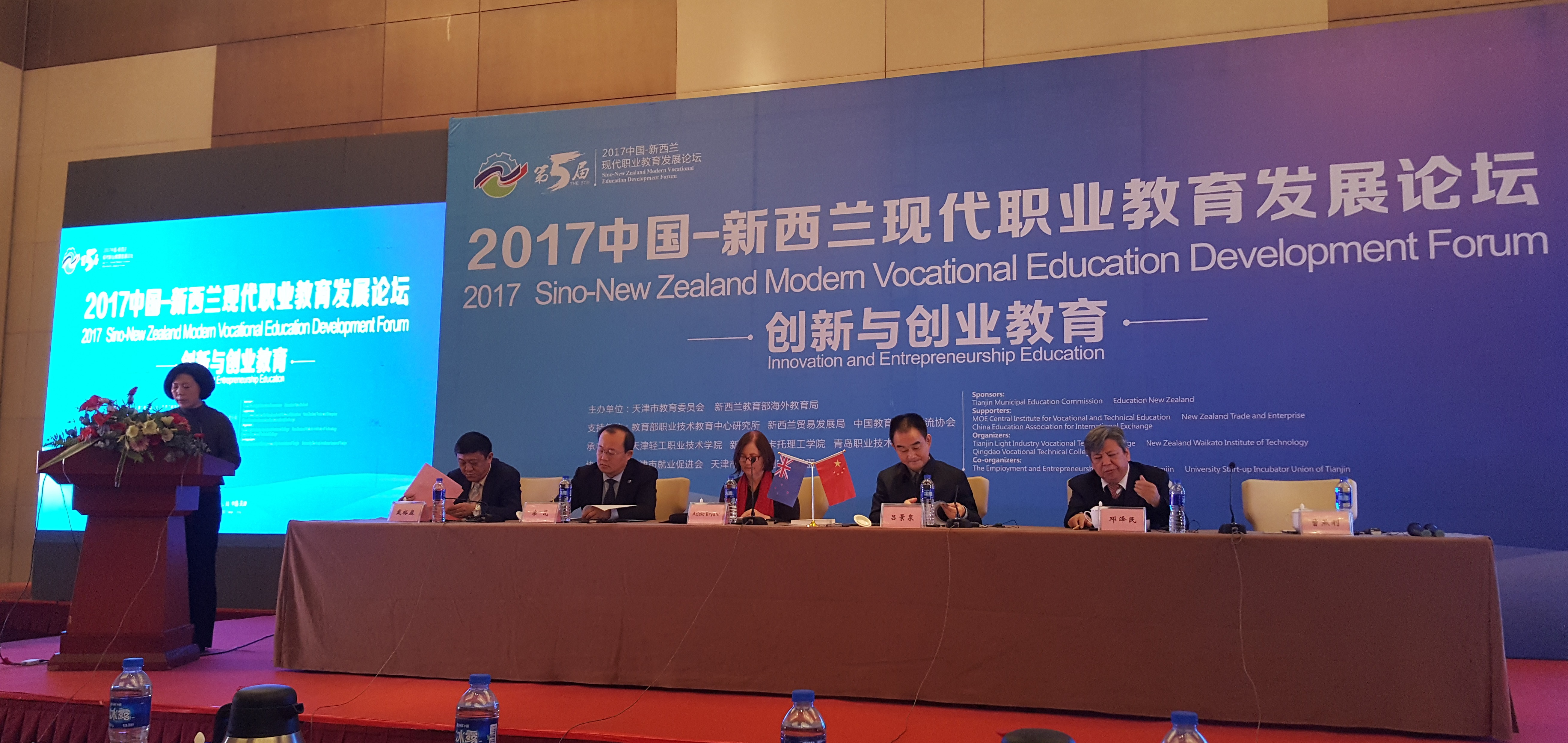
- China vocational
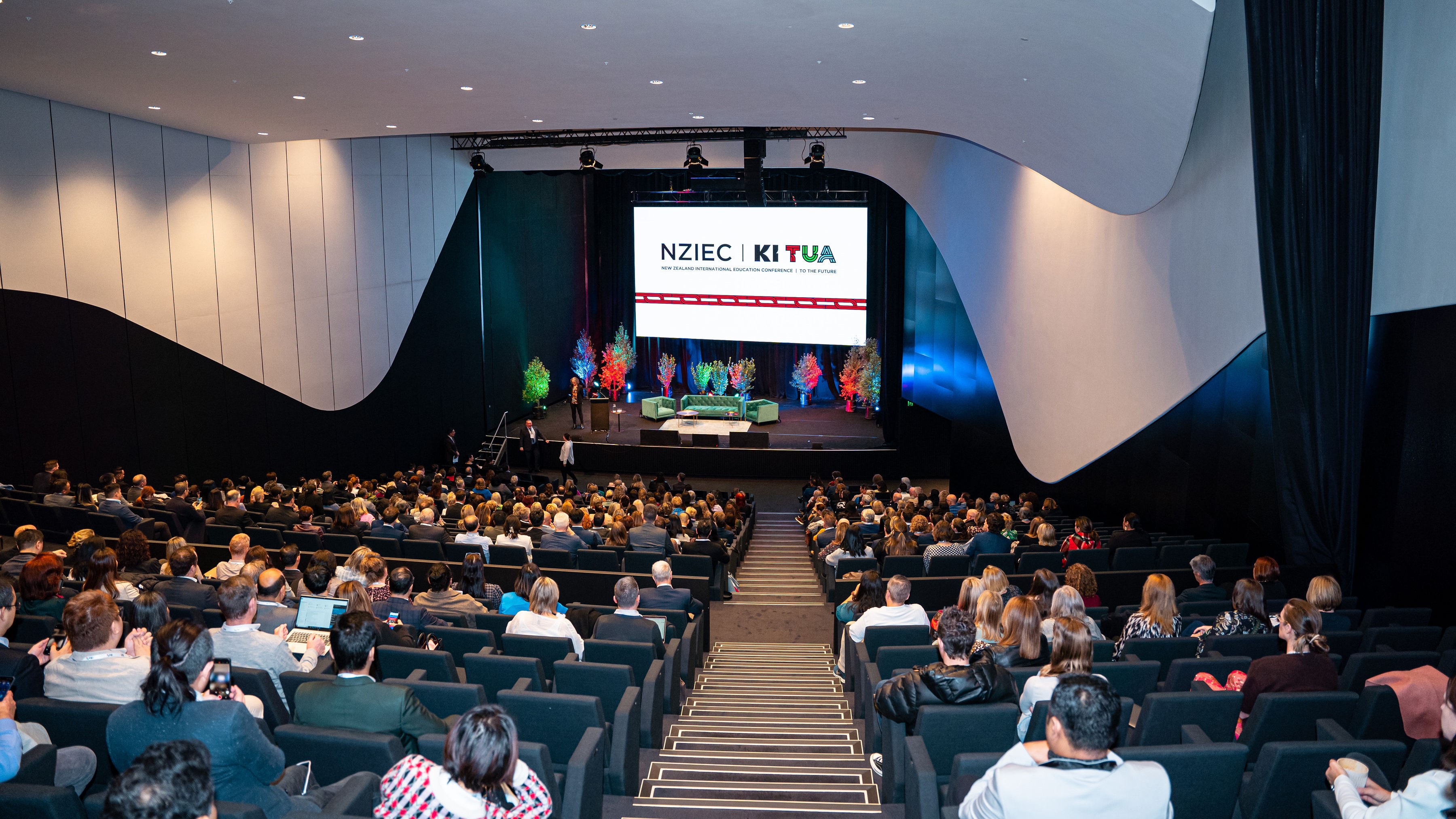
- NZIEC KI TUA 2023
- July roundup 1
- BELTA SEAL 2018 MARKET RESEARCH INCLUDES NZ
-
The new Study with New Zealand study matching tool is now live
Education New Zealand Manapou ki te Ao (ENZ) has launched this revamped study matching tool on the SwNZ website to replace the previous MyStudyNZ tool. It is a useful tool for Aotearoa New Zealand's education providers to be able to promote their courses to students online.
Geoff Bilbrough, ENZ’s General Manager of Marketing said that with the launch of the new StudywithNewZealand website, it was important to continue with the study matching tool as feedback from the sector had indicated it was a valuable tool for providers to connect with potential students and make them aware of the courses they offered.
"The sector told us that the previous matching tool, MyStudyNZ, had been positively received and tended to generate leads that were more engaged.
“We believe this new tool will continue to provide significant benefits to education providers and prospective students as it guides international students to study options that match their personal interests and past qualifications.
“To get the most out of the new tool, it is important that education providers’ profiles and course listings on the SwNZ site are up to date and accurate. This will help present your institution and your courses to the right students”, he added.
While ENZ does carry out a major data upgrade for all institutions twice a year (via our partner IDP), now is a good time to check your information is displaying accurately on our Study with New Zealand website. Education providers will have recently received an email with information on how to do this. It is a very straightforward process, and ENZ encourages providers to check their profiles and ensure that the name of your institution or school is correct and that your profile makes the most of all the features the system offers. Make sure your keywords are relevant and your profile includes full descriptions and photos to help you stand out to potential students.
Tertiary providers are being asked to check course study mode, start dates, costs, venue, and the duration as this information is used in the new study matching tool and the SwNZ search tool. The link to the admin platform to be able to check these details is available here: www.idp-connect.com/sign-in
If you did not receive this email, do not currently have access to the admin platform, or have any questions about the tool, you can email: info@studywithnewzealand.govt.nz.
A how to guide for tertiary providers has been developed and is available here.
-
New Zealand – South Korea digital student exchange
From September to December 2021 more than 300 New Zealand students from a range of primary, intermediate and secondary schools joined with more than 700 students from elementary and middle schools in Seoul and Gangwon in digital classroom cultural exchanges.
Education New Zealand Manapou ki te Ao worked in partnership with two education organisations in South Korea, Gangwon International Education Institute and Seoul Metropolitan Office of Education, as well as with NZ-based Learn English Live, to deliver the programme.
The sessions included conversation in English, peer-to-peer teaching and learning, cultural learnings and sharing, and interactive games. Student responses to the programme across both countries highlighted how much they enjoyed meeting people from different cultures and learning to respect different views. Around 70% of New Zealand students said they made a South Korean friend through the digital exchange forums while South Korean students highlighted the improvement in their English language skills, with 70% saying they would like to come to New Zealand.
Parents and teachers also shared heart-warming comments about the how the programme had built their child’s confidence and given them a leadership opportunity. In a survey conducted at the completion of the programme, parents of Lara, a nine-year old New Zealand girl, shared their experience. “It’s been excellent to observe Lara’s leadership ability shine through. I never realised how confident she is and her ability to teach and interact with kids from a different culture… Lara has become more aware of other cultures and appreciates the diversity around her.”
Teachers were also impressed, with one from Manurewa Intermediate commenting, "I want my students to be a part of this programme because it teaches them so many skills."
Following the success of the initial programme, the digital student exchange is set to continue in 2022, expanding to more New Zealand schools and implementing new ideas from students to meet their growing interest in other cultures and languages. New Zealand schools interested in joining the 2022 digital culture exchange can contact William Clarke at Learn English Live: William.h.clarke@hotmail.com
Education cooperation initiatives with ENZ, such as the Global Competence Certificate and this programme of digital culture exchanges are supported by the Arrangement on Education Cooperation that was signed by ENZ and Gangwon International Education Institute in November 2021. A similar agreement was reached with Seoul Metropolitan Office of Education last March.
The digital student exchange programme is in line with ENZ’s goal to develop global citizens as part of the New Zealand International Education Strategy 2018-2030.
-
STEM and higher education in Thailand
More than 600 visitors, along with our eight universities, Te Pūkenga and English New Zealand, attended ENZ’s online New Zealand Higher Education Showcase in early November. Instead of only showcasing institutions, we decided this year to have a Gradvocate live session as the main feature of the event.
Graduate students discussed their experience of higher education in New Zealand, and enabled Thai students and parents to see how successful our alumni are. Asia’s 2019 Breakout Musician and NZ alumni Phum Viphurit performed a mini-concert, and ENZ’s Lisa Futschek granted the 2021 Alumni Hall of Fame Award to three outstanding alumni: Dr. Chakrit Tiebtienrat, Mr. Narun Wiwattanakrai, and Ms. Wipapat Somumchan.
The increase in registrations and visitors for this year’s event demonstrates growing interest in New Zealand’s higher education. There were 620 unique visitors from 1,260 registrations, an increase of 59% in visitors and 3.6% in registration numbers since last year.
Later in November, the Thailand team successfully launched a NZ STEM Webinar series for teachers and students from Princess Chulabhorn Science High School (PCSHS) network, which comprises 12 schools for gifted students in four regions of Thailand.
The five webinars were offered in partnership with the University of Otago. Presentations on topics such as augmented reality gave gifted young students the opportunity to see some of the pathways into STEM tertiary education in New Zealand. Dr. Khunying Kalaya Sophonpanich, Deputy Minister of Education Thailand, also spoke at one of the webinars.
See Otago Daily Times article: Uni webinar series showcases offerings to Thai pupils
- Annual Report 2017 2018
- 2122 159 Attachment 1 ENZ Broader Impact Valuation Valuation Report
- 041013 Flying Kiwis photo