Search
Showing 10 of 7355 results
- Roadmap 0
-
Schools invited to join the Korea-New Zealand Digital School Exchange Programme
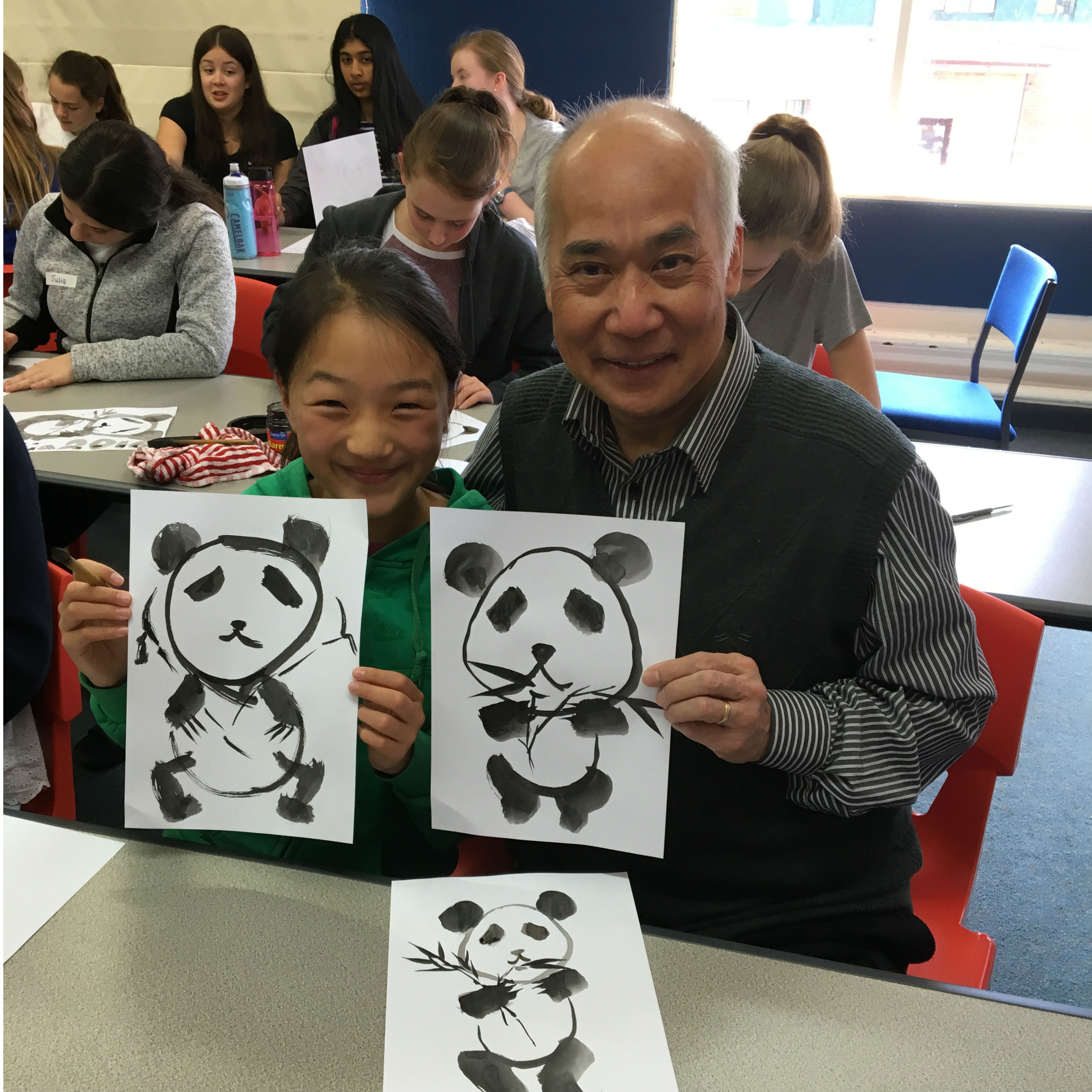
The programme, delivered in partnership with the Seoul Metropolitan Office of Education (Seoul MOE) and Learn English Live (LEL), connects New Zealand students in Years 7-9 with their peers in South Korea through a series of interactive online exchanges.
Up to 10 New Zealand schools will be selected to take part. Each participating group will join four one‑hour Zoom sessions held weekly from 11 May to 8 June 2026. Sessions will be scheduled between 12pm and 3pm NZT to accommodate both time zones. Participation is free of charge.
The exchanges typically involve 20-25 students per school, matching the standard class size of Korean partner schools. New Zealand schools wishing to involve more students may form additional groups of around 20 students each.
ENZ and Seoul MOE work closely with LEL, which coordinates communication with participating schools, schedules exchange times, prepares teachers and students, and facilitates each session. Topics covered range from language and cultural sharing to UN Sustainable Development Goals projects, STEM activities and global citizenship themes. New Zealand teachers have consistently noted the benefit of not needing to prepare or deliver session content themselves.
Why join?
- Promote your school to a South Korean audience for free
- Showcase New Zealand’s unique education environment and culture
- Engage your students in a hybrid STEM and cultural exchange
- No added work to your teaching load – LEL takes care of all the admin and logistics, allowing you to simply show up with your classroom and enjoy the global learning experience
Teachers in previous rounds praised the programme for its smooth delivery and the enthusiasm it sparked in their classrooms, and the programme’s blend of STEM learning and cultural exchange has been highlighted as a key strength.
Check out the story from the previous programme here
Is this right for your school?
The programme is a great fit for schools looking to build long-term relationships with Korean partner schools, particularly those with strengths in social studies, cultural or global studies, languages or global citizenship education.
It also offers a valuable opportunity to promote your school in Korea in a meaningful, low-pressure and no-cost way that can attract potential international students over the long term.
Timeframes
Applications close: Friday, 20 March 2026, 11:59pm
Selection process: 23-25 March 2026
Notification of outcome: Wednesday, 25 March 2026
Next steps: Selected schools will receive a detailed guide from LEL from April 2026
Schools interested in joining the programme can submit an Expression of Interest (EOI) via the link provided or by scanning the accompanying QR code.
Submit your EOI here or scan the QR Code below.
If you have any questions, please contact ENZ’s Alana Pellow at alana.pellow@enz.govt.nz or Learn English Live’s William Clarke at info@learnenglish-live.com.

-
Around the world in five
GLOBAL
Survey highlights growing “engagement gap” between international student expectations and institutional response
One in three prospective students say they abandoned an application to a university because of communication issues. In an increasingly competitive marketplace, institutions must quickly and meaningfully engage with students across a widening field of channels.
ASIA
Why Asian universities can no longer overlook trade deals
As trade negotiations increasingly shift away from goods and tariffs to encompass talent mobility, ecosystems of innovation and skills creation, universities are quietly finding themselves at the nexus of economic policy and labour change.
GLOBAL
How business schools can produce globally minded graduates
Make internationalisation a core part of the student experience, rather than an optional extra, by embedding it into the curriculum.
CHINA
China seniors pursue overseas education after retirement to realise unfulfilled dreams
Increasing demand from retirees leaves country facing challenge of finding ‘deeper’ learning strategies, not just ‘hobby’ courses.
GLOBAL
The greatest risk of AI in higher education isn't cheating - it's the erosion of learning itself
Public debate about artificial intelligence in higher education has largely orbited a familiar worry: cheating. But focusing so much on cheating misses the larger transformation already underway, one that extends far beyond student misconduct and even the classroom.
- NZIEC2024196of108 1
- Counsellor workshop
- 0435
- 667264 dsc06300 gradev1 00086402 web version 1920px
- Square 9
- 19
-
ENZ boosts education agent capability through successful workshops in Viet Nam
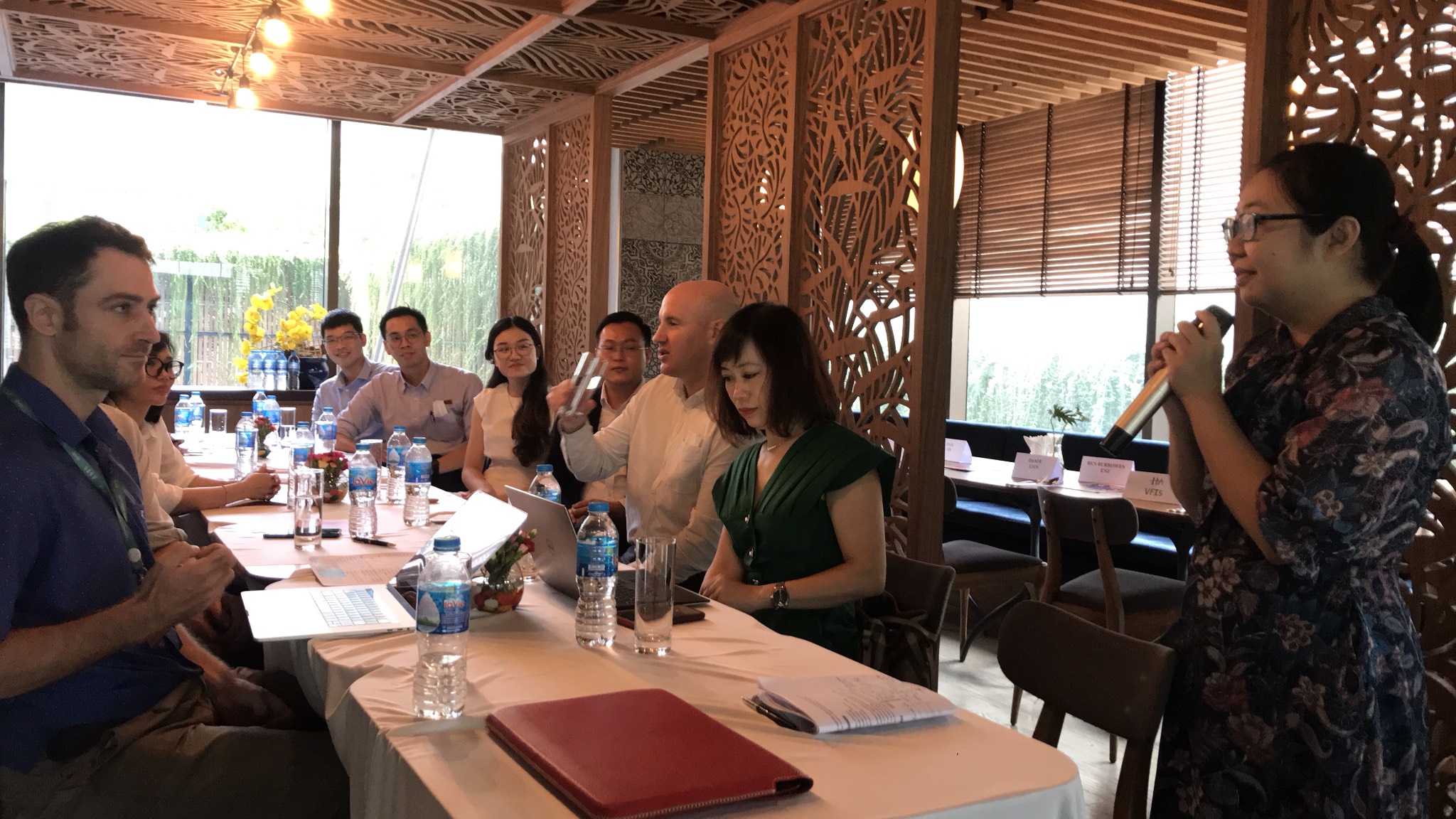
Education New Zealand Manapou ki te Ao (ENZ) delivered two education agent capability workshops in Viet Nam in partnership with education providers.
The workshops, held in Ha Noi on 21 January and Ho Chi Minh City on 23 January were delivered in partnership with Lincoln University, Massey University, Pacific International Hotel Management School (PIHMS), eight LightPath New Zealand Schools, and Navitas (University of Canterbury International College and University of Waikato College).
The invitation-only workshops were offered to 40 key education agents recommended by New Zealand education providers and those actively engaged with ENZ’s activities.
The events were opened by the New Zealand Ambassador to Viet Nam, Caroline Beresford in Ha Noi, and New Zealand Consul General in Ho Chi Minh City, Scott James, in Ho Chi Minh City. ENZ’s Regional Director – Asia (excluding China), Ben Burrowes, attended both events virtually.
In addition to institutional updates, the workshops featured external speakers who shared insights on New Zealand’s workforce landscape and digital marketing trends for education.
ENZ’s Market Manager – Viet Nam, Van Banh said the workshops reinforced ENZ’s focus on strengthening education agent capability and supporting the sustainable growth of New Zealand’s international education sector.
“It was valuable to hear from agents that the demand for study in New Zealand remains moderate to strong, with master’s, undergraduate and school programmes identified as top priorities, and business, health and medicine, and education emerging as the most in-demand fields.
“Agents also highlighted the need for more scholarships, clearer job pathways, and continued marketing support, while rating ENZ’s in-market support positively.
“These are all good insights to have for Viet Nam – it helps us better target and promote New Zealand’s education offering to prospective students,” Van said.
ENZ also incorporated interactive activities such as social media challenges and team-based minigames into the workshop programme that helped drive further engagement with the programme and encouraged agents to visit education provider booths.