Search
Showing 10 of 7355 results
-
Reconnecting in Malaysia
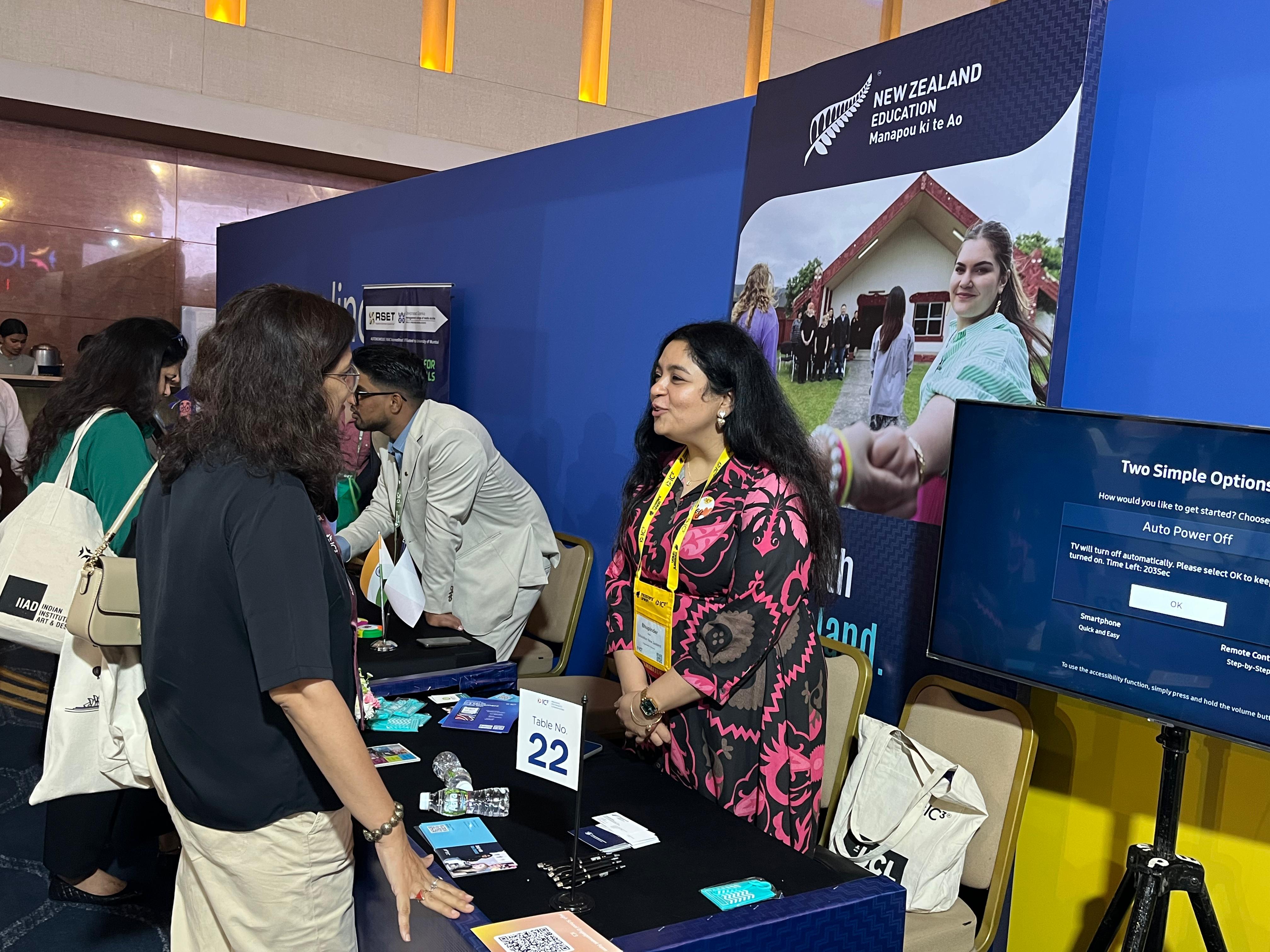
Six of our eight universities participated, along with Education New Zealand Manapou ki te Ao, connecting with more than 5,200 Malaysian students and parents. This was the first in-person fair we have attended in Malaysia for two years. It was a good opportunity to meet students face-to-face, to discuss a high-quality New Zealand education and what it’s like to live here.
New Zealand’s High Commissioner to Malaysia, Pam Dunn, spoke at the opening ceremony and highlighted that many Malaysians who studied in New Zealand have returned home to use their skills and knowledge as experts in their fields – students such as Tan Sri Dr Mazlan Othman.
"She was the first Malaysian woman to gain a PhD at Otago University. She then returned home as Malaysia’s first astrophysicist and later pioneered this country’s space programme.
“An education in New Zealand empowers Malaysian students with the life skills and confidence to succeed.”
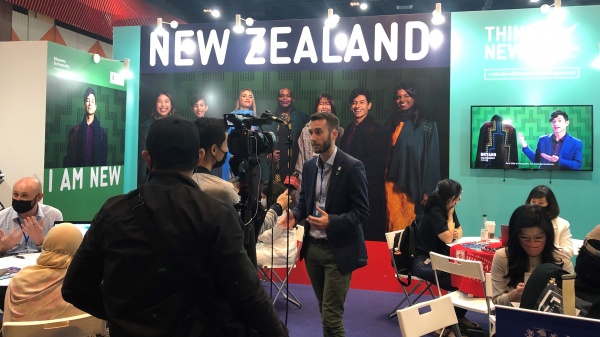
Patrick Holden, ENZ’s Director International Market Strategies, was interviewed by the STAR Media Group – see the video here.
- WhatsApp Image 2025 08 22 at 7.08.12 AM
-
A brand NEW day

A brand NEW day is here – the launch of New Zealand Education’s new brand platform, ‘I AM NEW’.
‘I AM NEW’ is a philosophy shared between those who promote a New Zealand education, and those who choose to study here. We invite potential students to 'Think New' and experience this unique approach to education, so they can say ‘I AM NEW’, too.
You’ll find everything you need to help share the New Zealand education brand story ‘I AM NEW’ and build your own story on the NEW Brand Lab. Access and download a wide range of NEW marketing resources from images to videos, templates and more.
We look forward to seeing you on the Brand Lab.
- Proactive Release 2324 075 Response
- Lead Management System Instruction Manual Malaysia
- 30631388623 8e2a0ffd45 oEDIT
- IEGF Richard Allan 2
- 24 03 11 001378 1
-
34 Vietnamese students awarded New Zealand Schools Scholarships as programme reaches record demand
Of the 34 recipients, 27 were awarded NZSS scholarships and seven received funding directly from participating New Zealand schools. Since launching in 2019, the NZSS programme has supported more than 100 Vietnamese students from Years 8-10 to study in New Zealand, reinforcing education ties between the two countries.
Scholarships for 2026 are spread across schools in Auckland, Wellington, Canterbury, Hawke’s Bay, Manawatū, Nelson-Tasman, Northland, and Whanganui, offering international students from Viet Nam access to high-quality education across diverse regions.
The latest intake follows strong demand for the programme in Viet Nam. From 90 applications, 57 were fully eligible, resulting in 34 scholarships awarded.
New Zealand Consul-General Scott James said the programme reflects the strength of the bilateral relationship.
“Education has always been a cornerstone of the partnership between New Zealand and Viet Nam. We are proud to see successive generations of talented Vietnamese students embark on their education journeys at New Zealand’s high-quality secondary schools through the NZSS programme,” James said.
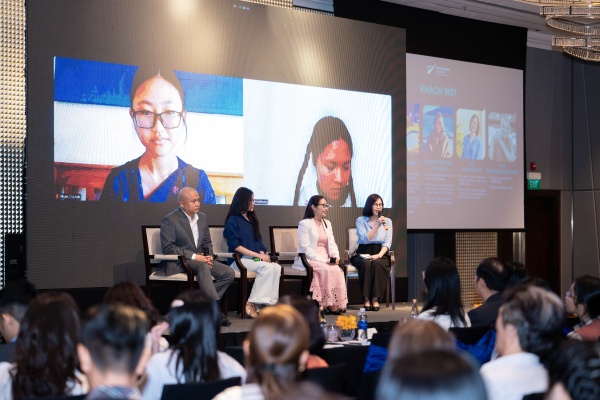
NZSS alumni and parents of past scholarship recipients share first-hand insights on studying and living in New Zealand, offering valuable guidance to future students.
ENZ’s Market Manager - Viet Nam, Van Banh, said the demand for New Zealand education among Vietnamese students continues to rise.
“In 2025, approximately 2,200 Vietnamese international students were enrolled in New Zealand, representing a 14 percent increase from the previous year. Secondary education remains a key pathway to study in New Zealand, reflecting the strong trust Vietnamese families place in New Zealand’s education system.”
Promotion of the 2026 round of the NZSS reached record levels. The campaign engaged 55 approved education agents, with webinars attracting up to 141 participants per session. Digital and media activity generated 29 media clippings, more than 3 million reach on social media, and over 61,000 website clicks.
The NZSS website also recorded 43,138 visits between January and March 2026, nearly double the same period in 2025. Direct outreach activities connected with 300 prospective students.
Applications are now open for the second NZSS intake for 2026, running from 15 June to 14 August. The next round will offer 29 scholarships, alongside additional awards funded by participating schools, with unsuccessful NZSS applicants still considered for school-based scholarships.
- BGA Leadership Statement Progress Update web