Search
Showing 10 of 7355 results
- Sister School Arrangement Template FINAL 0
- Greg Scott2
- Team India
- nzeu
- Diana Murdoch copy
-
Around the world in five
United Kingdom
International education leaders in the UK have expressed concerns about new proposals to place a levy on the income that institutions earn from international student fees.
Global
A new global survey makes it clear that the more restrictive visa policies that have been introduced in leading destinations over the last 18 months continue to have a profound impact on international student mobility.
India
New research reveals that career advancement is the primary motivation for Indian students choosing to study abroad.
Europe
In the wake of Trump’s moves, the EU is hoping to offer a political safe haven for US scientists and academics.
Australia
Following the recent federal election in Australia, the makeup of Prime Minister Anthony Albanese’s new ministry is beginning to take shape.
- successfull applicants for February 2015
- Svenja Niederkrome
-
50 Malaysian educators experience New Zealand’s interactive early childhood education
On 9-10 May 2024, Education New Zealand Manapou ki te Ao (ENZ), the Ministry of Education Malaysia, and the University of Auckland co-hosted a two-day workshop for Malaysian educators. The theme of the workshop was "Engage, Explore, Excel: Interactive Play Strategies for Effective Preschool Education".
The workshop gave approximately 50 Malaysian preschool educators the opportunity to see and experience for themselves some of New Zealand’s innovative and interactive approaches to education that start in early childhood education facilities. The workshop was also an opportunity to strengthen bilateral ties between our two countries.
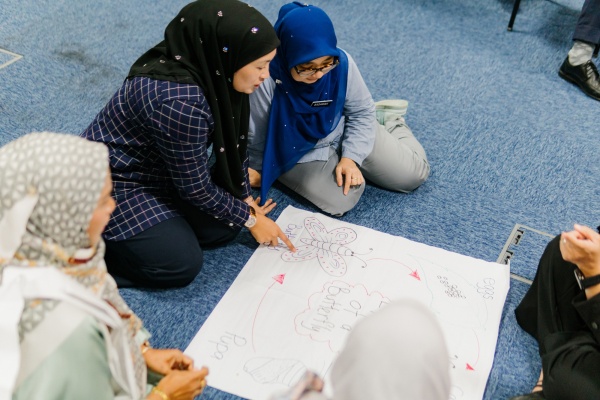
Workshop participants discussing learning techniques used in New Zealand early childhood institutions.
Professor Marek Tesar, a distinguished early childhood education expert from the University of Auckland led the workshop and shared his expertise with the group. He highlighted innovative approaches to implementing interactive outdoor play and used practical insights with theoretical foundations to enhance the educators' skills and knowledge. This included leading the group through experiential activities and thought-provoking discussions, including how outdoor play can instil a sense of environmental stewardship among teachers and children.

Malaysian early childhood educators at the workshop on "Engage, Explore, Excel: Interactive Play Strategies for Effective Preschool Education".
Ben Burrowes, ENZ’s Regional Director Asia (excluding China) and Acting General Manager International, and Emma Verry from the New Zealand High Commission in Kuala Lumpur attended the session and extended warm welcome remarks, underscoring the importance of international collaboration in advancing early childhood education in both countries.

From left to right: ENZ’s Ben Burrowes, Juraida Binti Umat Bidin, Deputy Director of Preschool Sector Curriculum Development Division and Nooraini Binti Kamaruddin, Senior Deputy Director Curriculum Development Division from the Ministry of Education Malaysia, Emma Verry from the New Zealand High Commission, ENZ’s Market Manager for Indonesia and Malaysia Naluri Bella, and University of Auckland’s Professor Marek Tesar. They are pictured here after the exchange of commemorative gifts in recognition of the occasion.
Ben said that the workshop gave a wonderful opportunity for educators from Malaysia to come together to hear from Professor Tesar and explore the multifaceted benefits of interactive play.
“Our two countries recognise the critical importance of the formative years in a child’s development and the profound impact that quality early childhood education can have on their future success and well-being.
“Participants were all very enthusiastic about discovering new ways to engage and empower their students. We hope this will lead to more collaboration and sharing of ideas between our two countries that educators and students alike can benefit from,” said Ben.
- Student Visa Dashboard for December 2016.